
When dozens of watchmakers gather in one city, the usual picture is easy to imagine: large booths, expensive display spaces, pre-arranged meetings and a heavy commercial presence. But Indies.NYC, whose fourth edition took place in New York on 15 October, goes almost the other way. It brings together around 25 names from the world of independent watchmaking at an event with deliberately limited attendance, built on one core idea: closing the distance between the person who makes a watch and the person who might own it.
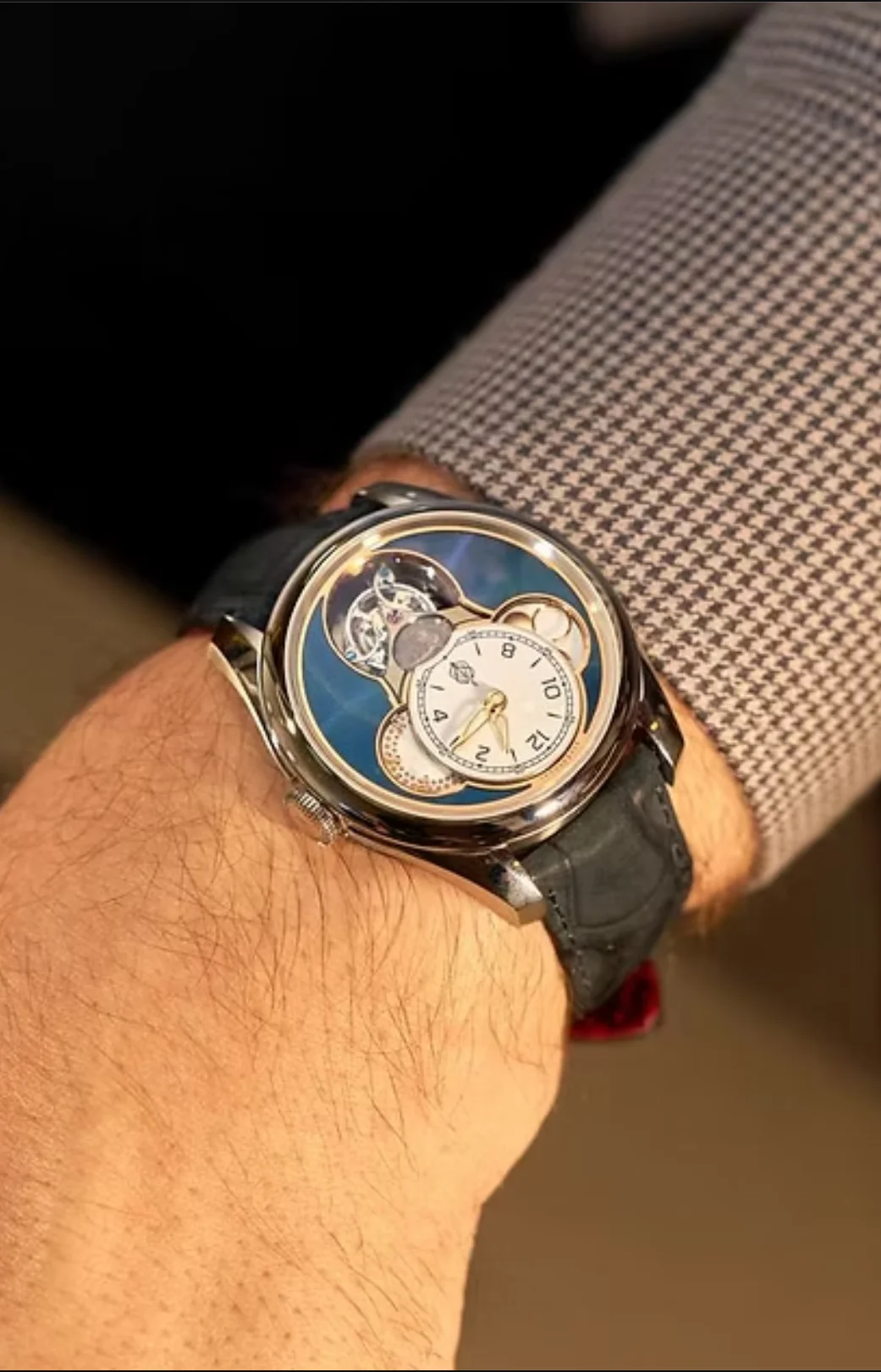
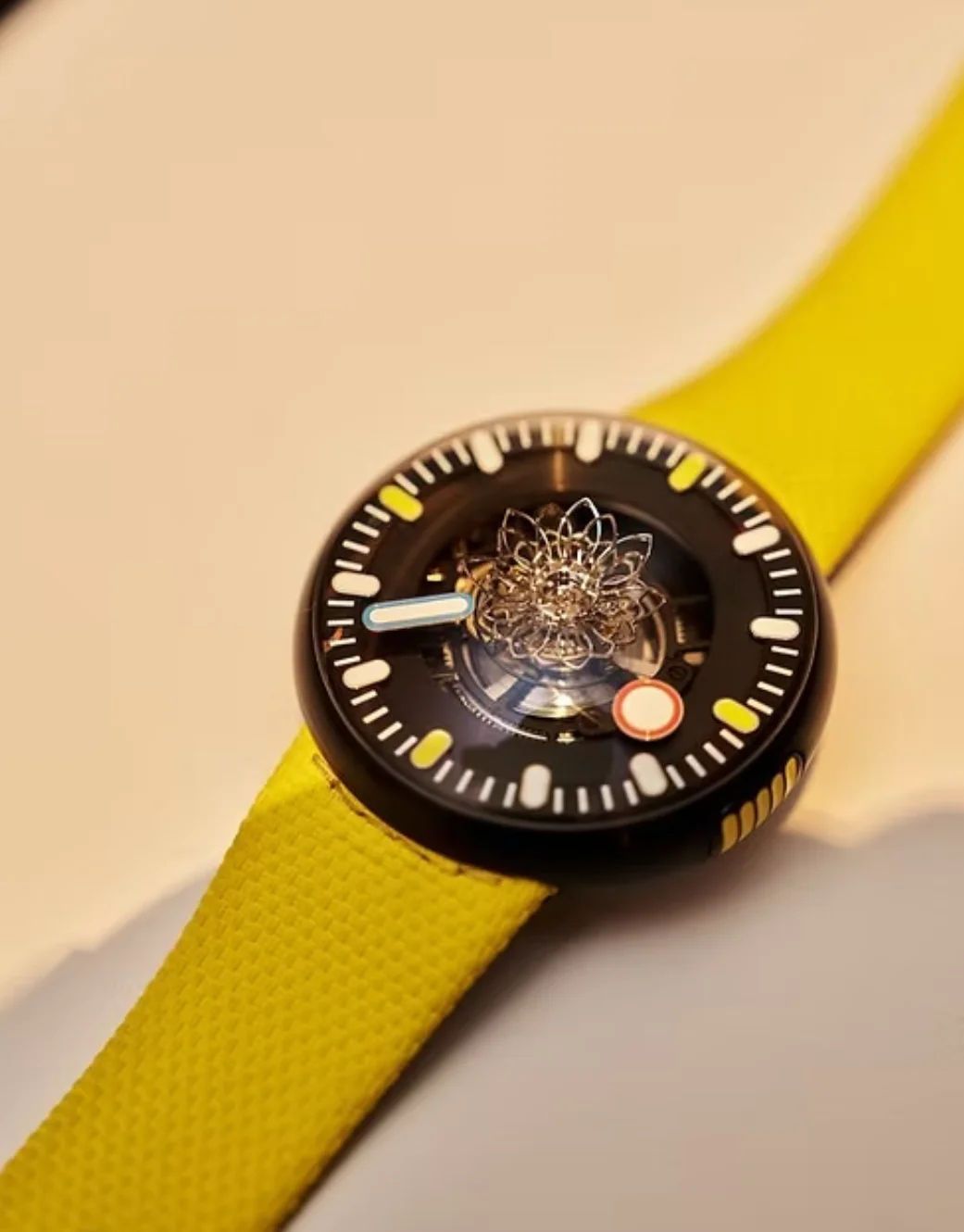
Launched in 2023, the event has grown quickly: according to Hodinkee, the number of participating brands this year is close to three times that of the previous edition. It runs from 3 pm to 9 pm during a week packed with watch events in New York, yet it is trying to keep its distinctive character despite this expansion.
The maker stands behind the watch
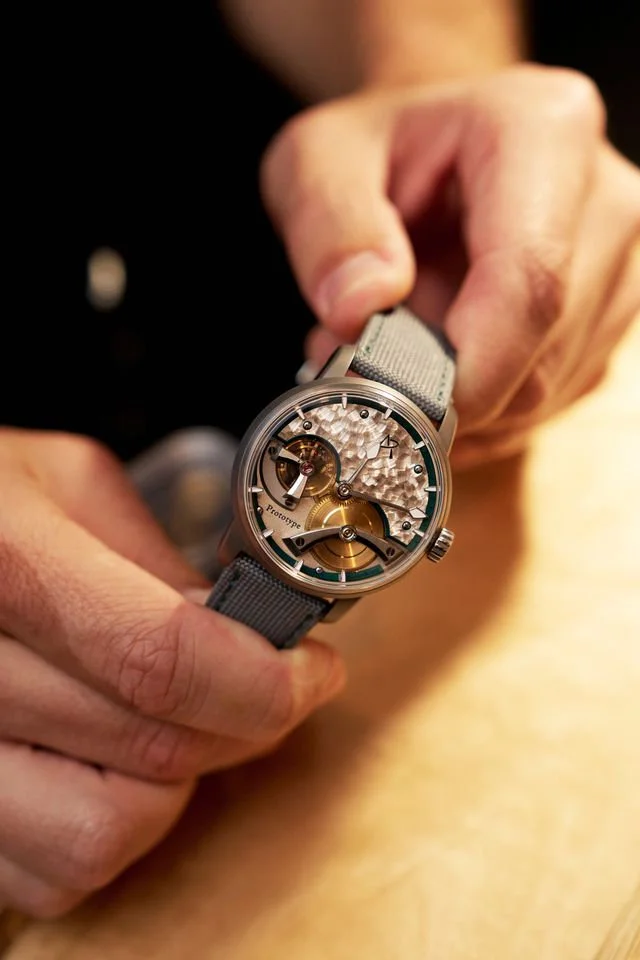
The idea behind Indies.NYC sounds simple, but it touches one of the most important differences between independent watchmaking and the big brands. In many cases, the collector here is not buying a product made by a vast organisation with hundreds of employees, but a watch whose design, development and finishing are tied to one person or a very small team. Knowing that person and understanding their philosophy therefore becomes part of the experience of the watch itself.
That is why the show does not present itself as a space to display as many brands as possible, but as a carefully curated salon, bringing together makers who share a commitment to handwork, hand-finished movements and the culture of independent watchmaking. Its official website sums up its philosophy with the idea that watches are made to be worn, touched and talked about — a phrase that captures the experience the event aims to offer, free of the usual barriers between exhibitor and visitor.
Participants include names such as Felipe Pikullik, Garrick, Bradley Taylor, Michiel Holthinrichs, Sarpaneva, Delaloye Genève and Zeitwinkel, alongside smaller makers and brands for whom an event like this may be one of the rare chances to meet collectors beyond their usual circles.
350 people instead of thousands of visitors
Perhaps the most telling figure is not the number of exhibitors but the number of guests. According to Chrono24's guide to New York Watch Week, attendance at Indies.NYC is limited to around 350 people for a single evening — a very small number compared with major fairs that sometimes measure success in tens of thousands of visitors.
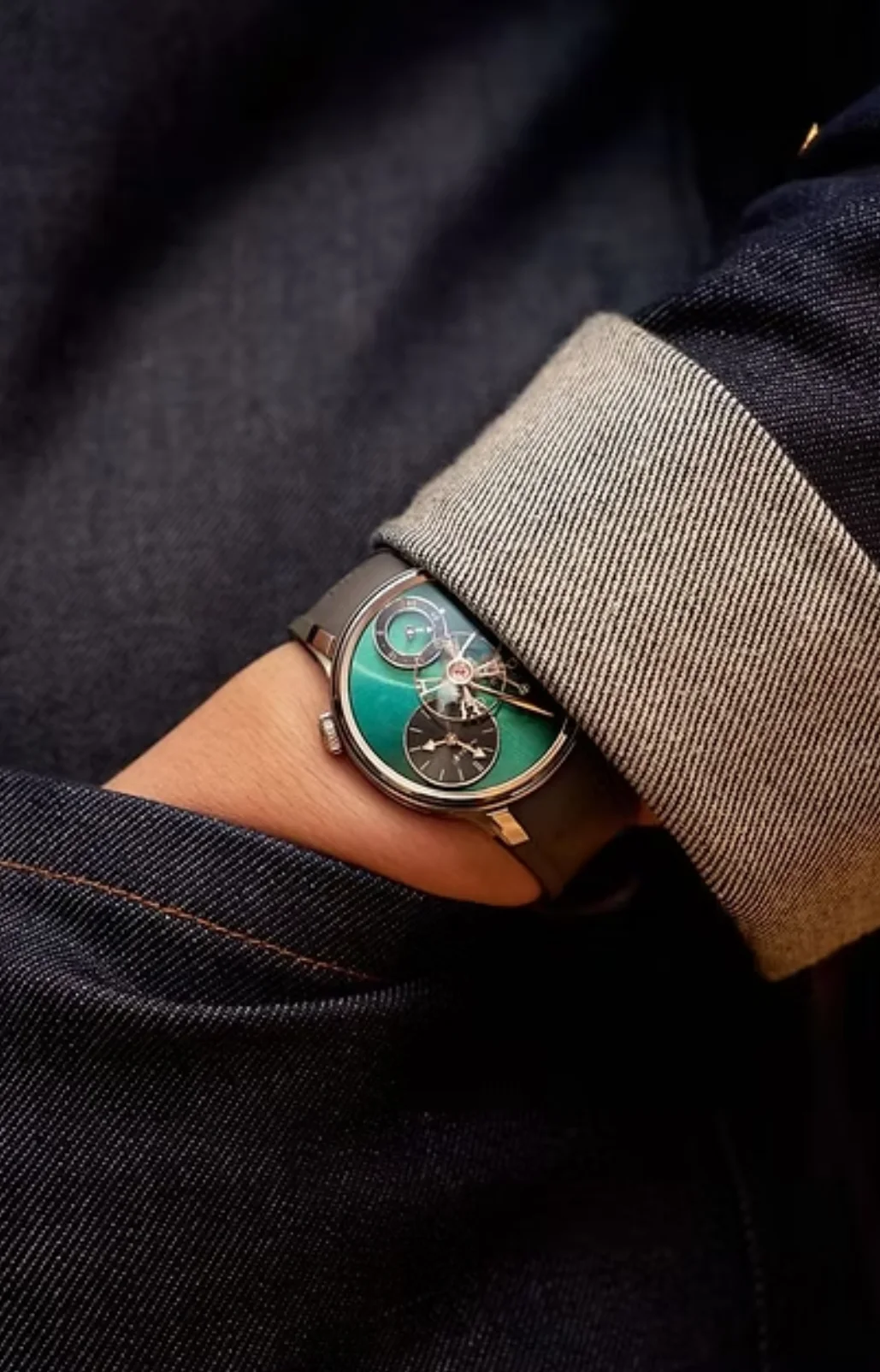
But this limit is not necessarily a weakness; it is part of the model. A collector does not need to see hundreds of brands in a few hours, and an independent maker does not always need to be seen by thousands of passers-by. What they need is time: time to show the details of the watch, explain the movement and the idea behind it, and answer questions that are hard to handle in a crowded exhibition hall.
Here the role of the show changes. Rather than simply being a place to discover a product, it becomes a place to build the relationship that may come before buying it.
When access to the maker becomes part of the value
These encounters carry particular weight in independent watchmaking, because the relationship with the maker does not necessarily end at the point of sale. Some watches are made in very small numbers, some allow a degree of personalisation, and owners may return to the same maker for servicing, for conversation, or to acquire another piece in the future.
So being able to sit across from the person who created the watch, and ask about decisions that may never appear in the technical specifications, gives the experience a dimension that a conventional retail counter can rarely provide.
Even the way the event presents itself reflects this. It invites guests to leave showing off at the door and come with curiosity and a genuine interest in the craft, while testimonials published on its website describe an atmosphere that brings makers and collectors together in a more relaxed, less formal space than traditional fairs.
Not a replacement for the big fairs
The rise of this model does not mean the large fairs are losing their role. In New York itself, WatchTime New York opens on 16 October, bringing many brands together in a format closer to a traditional exhibition, and the week also features other events aimed at different segments of the watch audience.
But Indies.NYC reveals another space growing alongside these events: shows that are not trying to get bigger, but to make the distance between maker and collector shorter.
This may explain how an event that began only three years ago has reached 25 participants in its current edition while keeping attendance limited. Growth here does not necessarily mean adding halls and floor space, but attracting more makers who see value in meeting an audience that knows what it is looking for.
That paradox is what makes the experiment worth watching. In an industry long associated with the most visible forms of luxury — from flagship boutiques to elaborate architectural booths — independent watchmaking is presenting a different kind of luxury: being able to stand in front of the person who made your watch, hold it, and hear its story directly from them.
Perhaps that is why Indies.NYC feels less like an attempt to build a smaller fair, and more like an attempt to redefine what an independent watch fair actually needs.
Comments
No comments yet.