
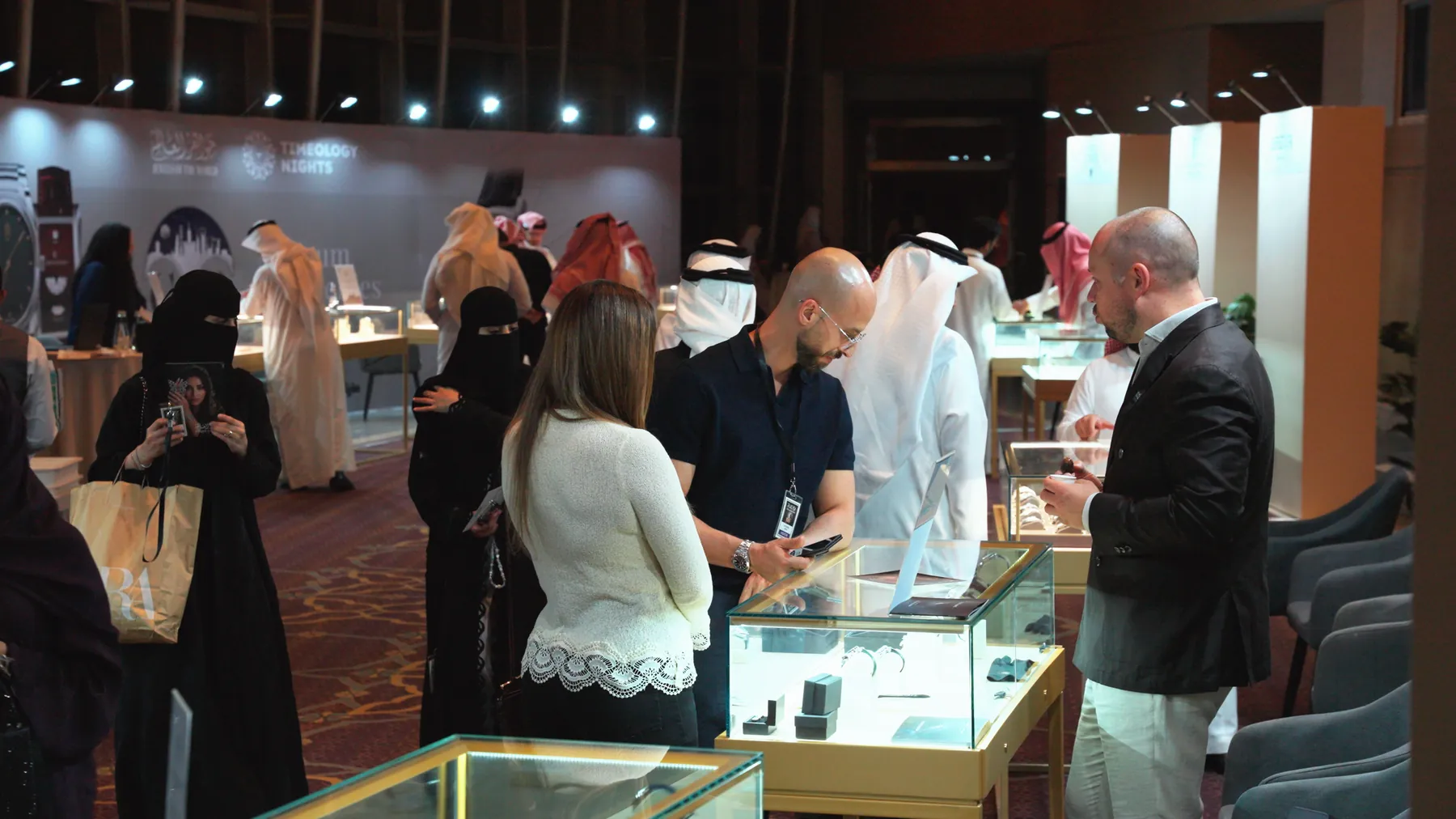
Riyadh is no longer simply a market where luxury watches arrive after their debut in Geneva, New York or Dubai. What began on the evening of 9 October at the Four Seasons Hotel Riyadh points to a very different relationship between Saudi Arabia and the global watch industry. More than 35 brands and independent watchmakers have gathered for the inaugural Timeology Nights — but the most telling number arrives today, 10 October, when 24 new or limited editions created specifically for the Saudi market are unveiled.
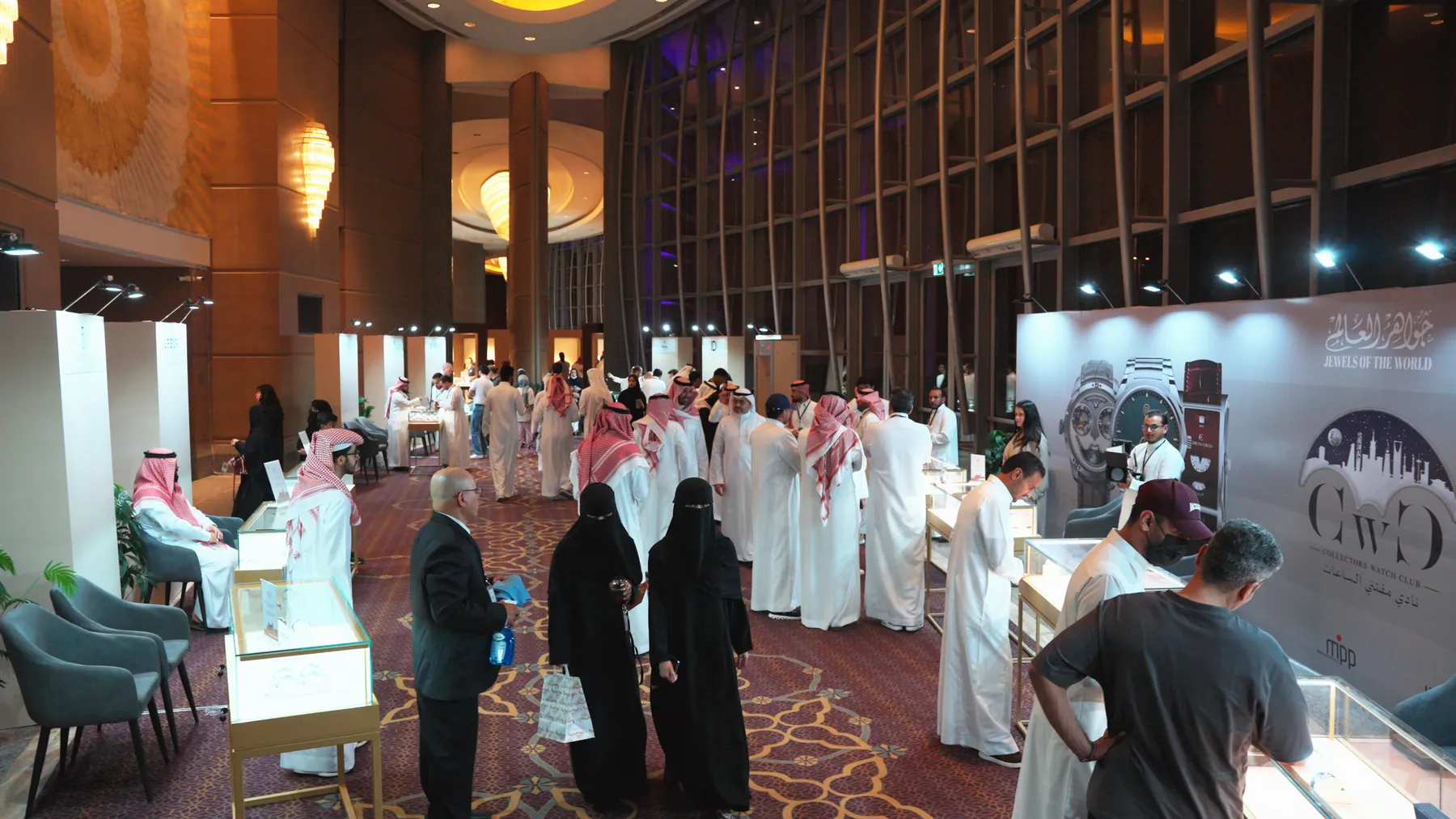
The event runs until 13 October alongside Jewels of the World Luxe, open daily from 4 pm to 11 pm. Its programme goes well beyond rows of display cases, bringing watchmakers, collectors and retailers together across dedicated spaces for independents, major maisons, talks and hands-on workshops. For the first time, Riyadh is hosting something closer to the modern watch festival — where the public and collectors are active participants, not merely an audience for launches staged elsewhere.
Why 10 October Is the Heart of Timeology Nights
The choice of 10 October for the launches is no coincidence. It is World Watch Day, which in its second edition in 2026 celebrates watchmaking culture under the theme "Time as Living Heritage". Cities from Geneva and Paris to New York and Tokyo are marking the occasion, and Riyadh joins the global calendar for the first time through Timeology Nights at the Four Seasons in Kingdom Centre.
Riyadh's celebration takes a different shape from the museum tours and workshops held in some other cities. The organisers have chosen to mark the day with real product launches: 24 new or limited editions designed for the Saudi market, including pieces from 10tenLabs' NAWAT series, special editions created with the Collectors Watch Club, and new watches from several participating houses.
This is one of the most important stories of the event. In today's watch industry, a market-specific edition doesn't have to mean a new dial colour or an engraved caseback. At its best, it is a genuine collaboration between brand and local collectors on colour, materials, details and production numbers. The real verdict on these 24 editions will depend on the watches themselves: which bring a genuine idea to the Saudi market, and which are simply cosmetic variations wearing the word "exclusive".
Independent Watchmaking Arrives in Force
The line-up makes this far more than a conventional retail fair, thanks above all to the strong showing from independent watchmaking. Names include Armin Strom, Biver, Czapek, De Bethune, Konstantin Chaykin, Christiaan van der Klaauw, David Candaux, Lederer, Speake-Marin, HYT, Chronoswiss, Andersen Genève and Angelus, alongside larger houses such as A. Lange & Söhne, Roger Dubuis, Parmigiani Fleurier, Franck Muller, Frederique Constant, Citizen and Seiko.
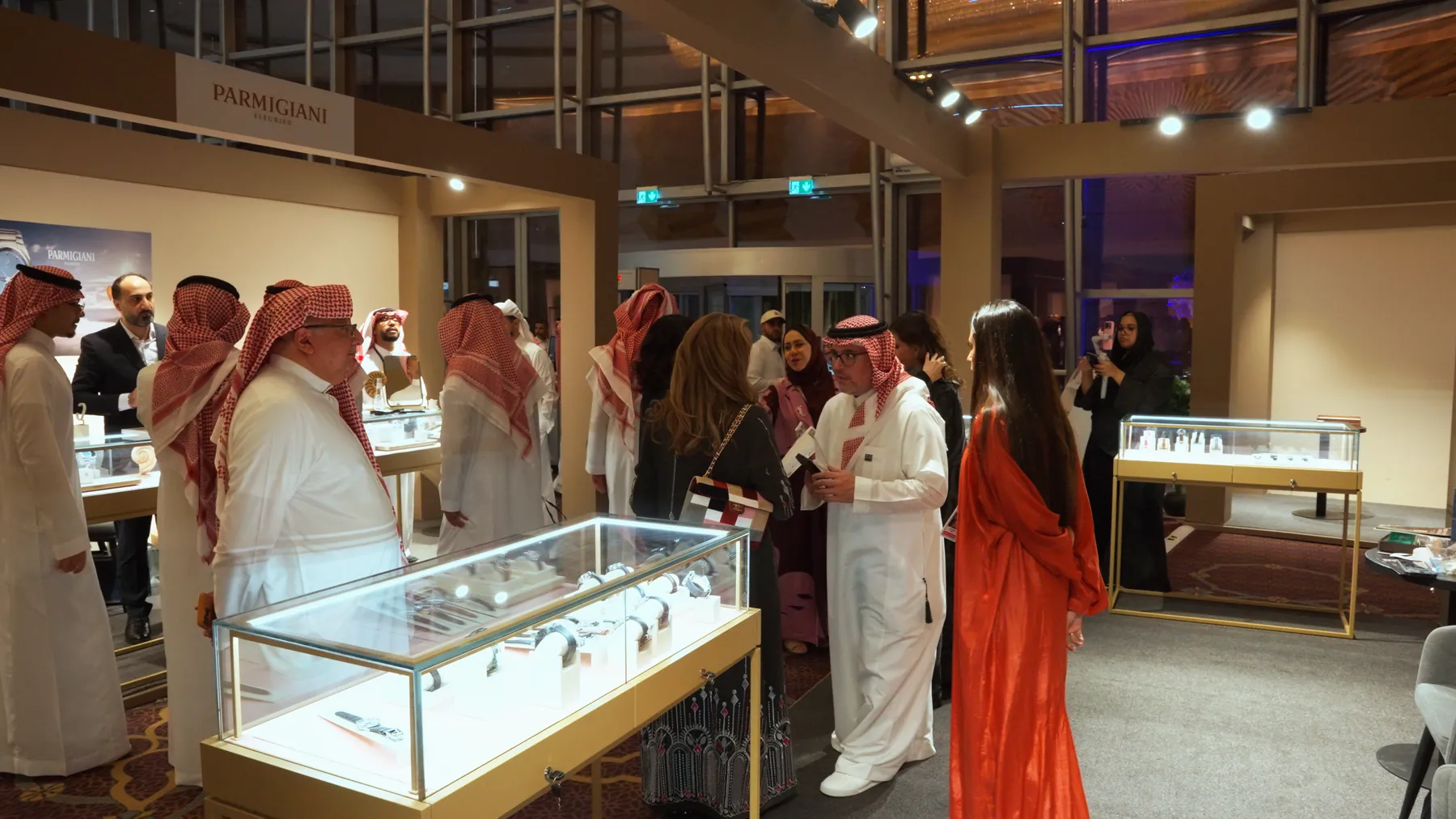
Seeing these names under one roof is a rare opportunity for fans of independent horology, whose work is far harder to access than brands with global boutique networks. Some produce only a handful of pieces a year; others rely on direct relationships with collectors or a small circle of retailers. The chance to explore several independent schools of watchmaking in a single evening is a large part of what makes Timeology Nights worth attending.
According to Khaled Zainalabdin, founder and director of 10tenLabs, the event also marks the first time several of the participating international names have exhibited in Saudi Arabia, with watchmakers and brands travelling from Switzerland, Germany, Japan, France, Russia, the UK, the Netherlands and Italy.
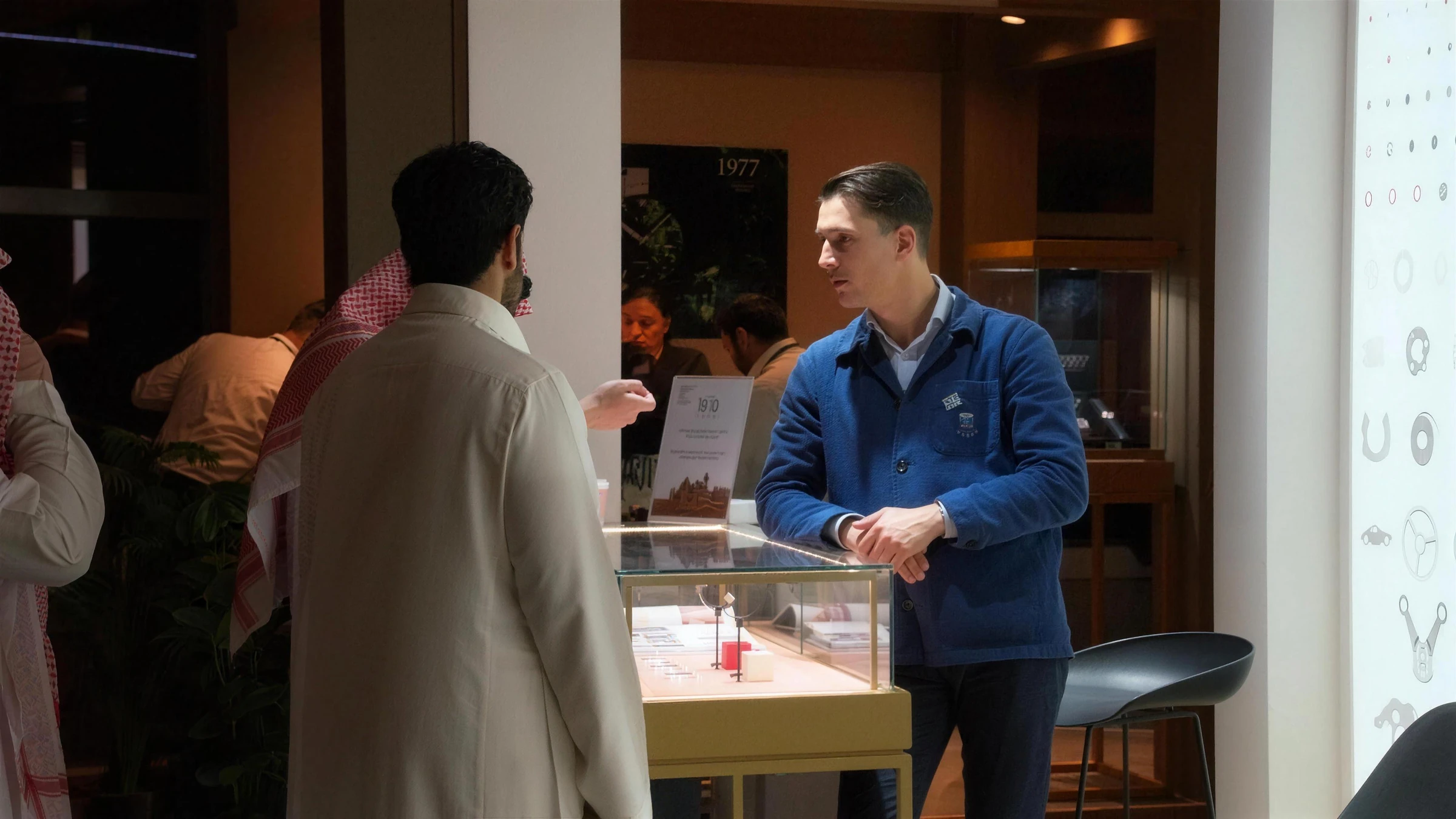
The Indie Salon: A Stage for Independents
Rather than placing every exhibitor in a single hall, the organisers have divided the event into distinct spaces. The Indie Salon is devoted to independent watchmakers and allied crafts; the Grand Salon hosts the haute horlogerie houses and members of the Collectors Watch Club; and The Majlis brings together talks, meetings and workshops in a more relaxed setting than a traditional exhibition stand.
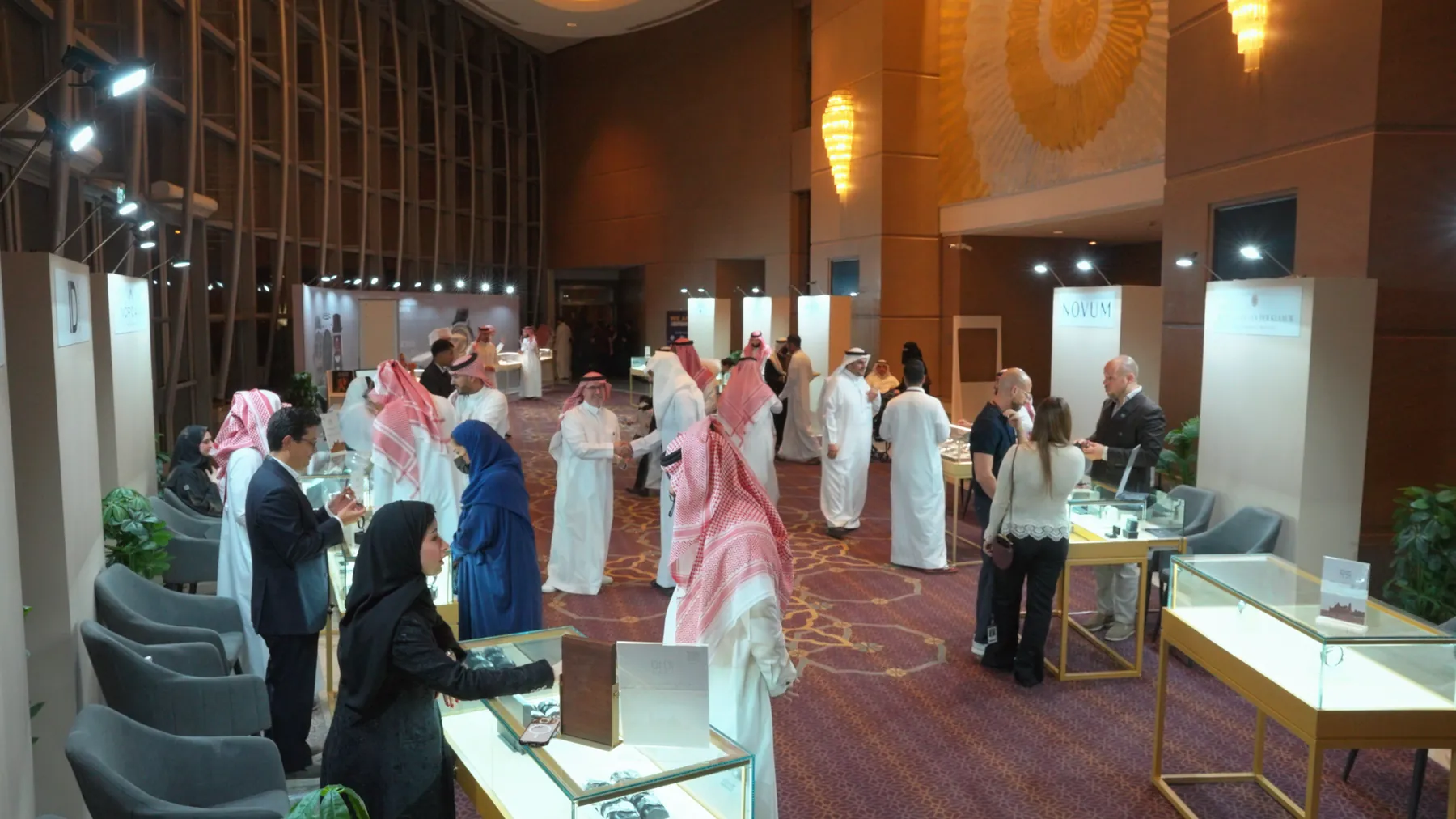
Add to that the Timeology Horology Forum, live demonstrations, hands-on workshops and specialist sessions led by Roger Dubuis, plus collectors' gatherings and dinners. These details matter, because the event sets out to present the watch as a craft and a culture before it is a luxury product — the same thinking that has led many international watch events in recent years to put conversations with watchmakers and hands-on experience at the centre, rather than simply showing watches behind glass.
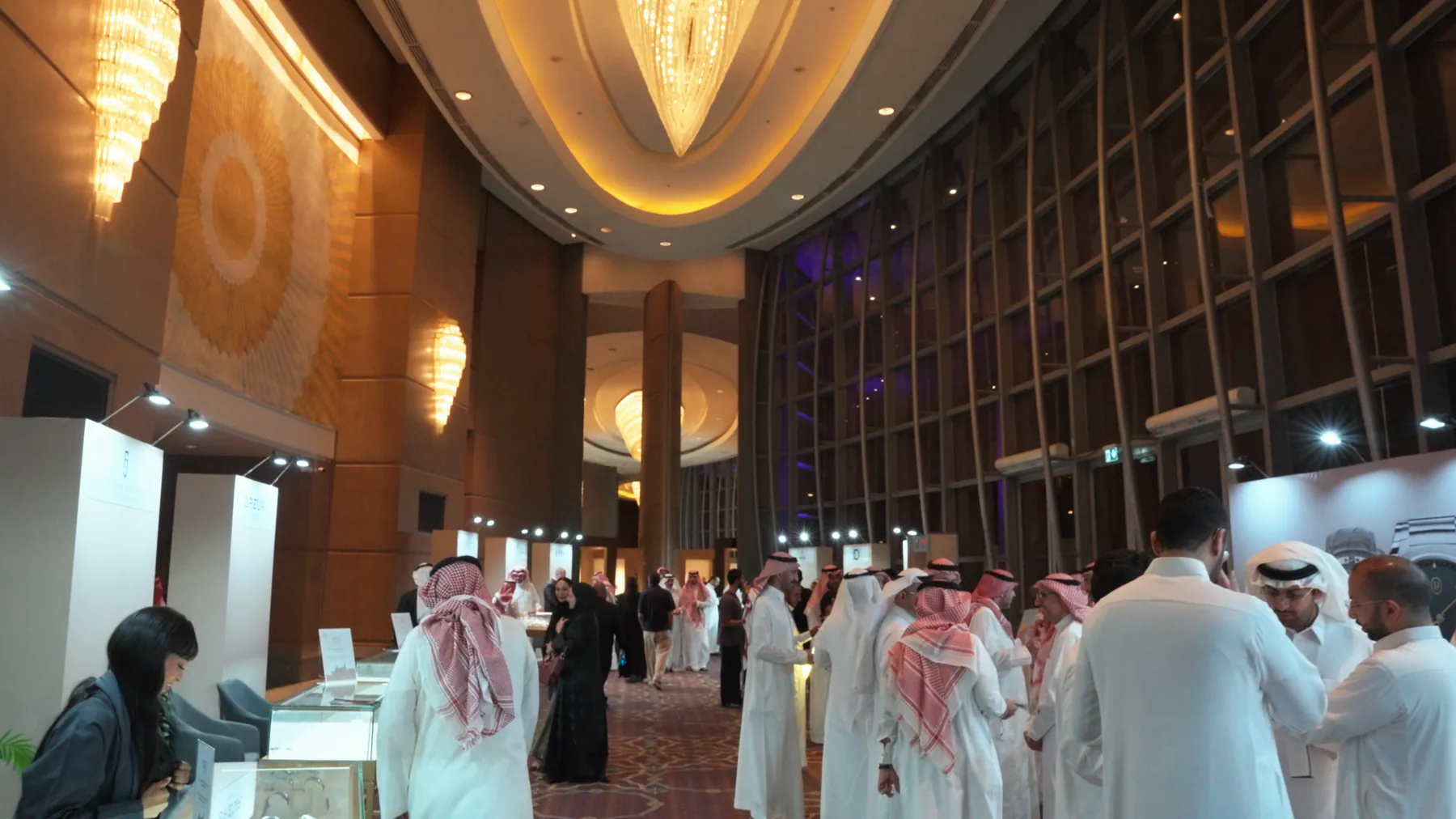
Why Are So Many Brands Coming to Riyadh Now?
It isn't only the buzz around luxury events in the city. The trade figures tell their own story. According to the Federation of the Swiss Watch Industry, exports to Saudi Arabia rose 8.9% in 2025, even as Swiss exports worldwide fell by around 1.7%. Saudi Arabia was among the markets that grew while major ones such as China, Hong Kong and Japan declined.
Those numbers carry extra weight at the high end. The Middle East has continued to show strong demand for luxury watches even as overall unit volumes have fallen — meaning the value of each watch sold matters more than ever. For independent brands in particular, a market of collectors hungry for limited production and unusual complications is far more attractive than one driven by volume and reach.
That is why the involvement of the Collectors Watch Club and 10tenLabs at the core of the event matters so much. The local partners are not just hosts: they connect international watchmakers with a community of collectors who know exactly what they want, and they help develop editions for that audience. Organiser Nader Freiha describes the goal as building stronger ties between global watchmaking and Saudi Arabia's fast-growing collector community, while Khaled Zainalabdin speaks of creating an environment where brands can connect directly with clients he describes as increasingly knowledgeable and discerning.
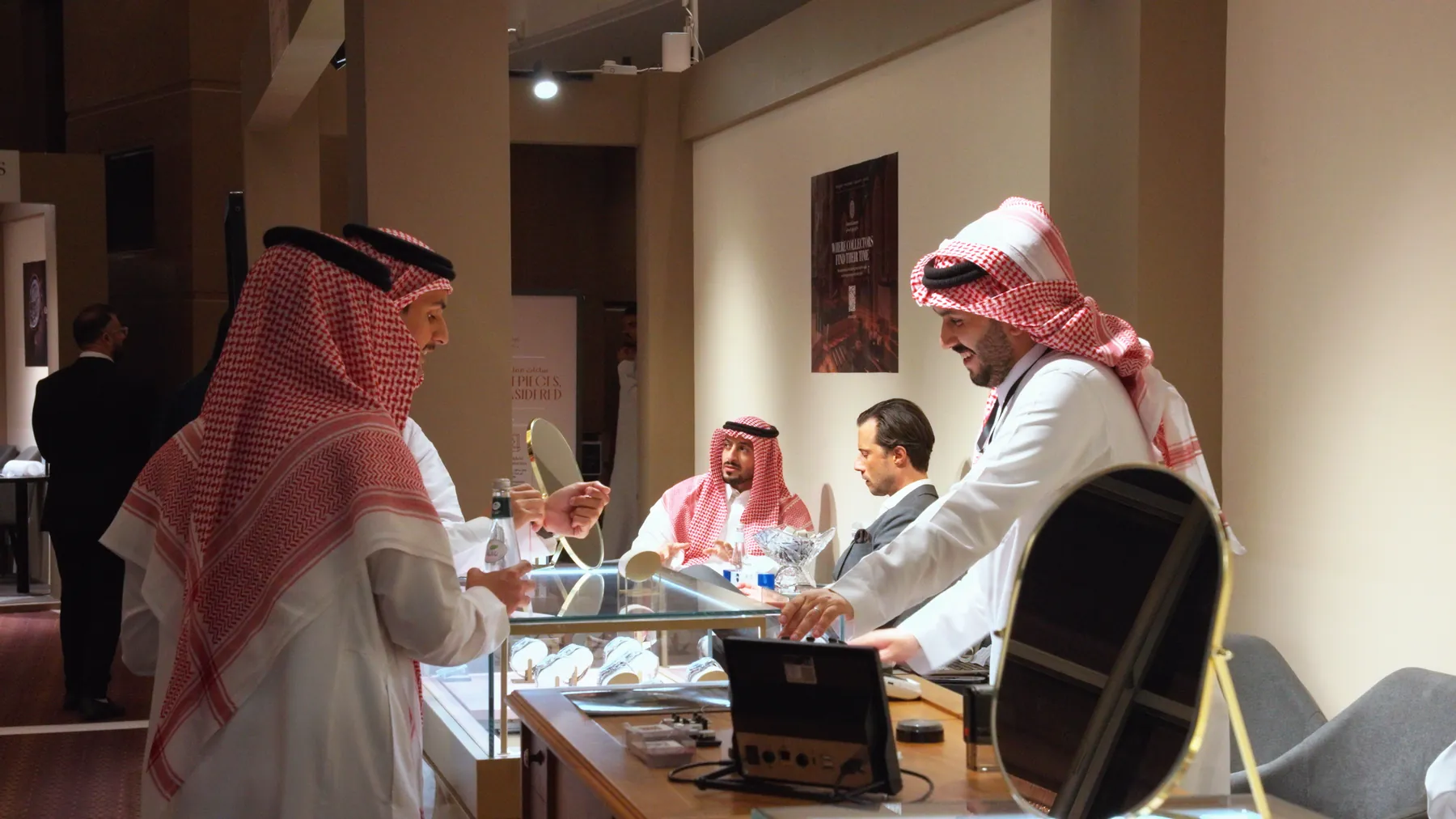
Why 24 Saudi Editions Could Be the Story of the Show
It would be easy to dismiss the number 24 as a headline grabber. But if the watches unveiled today genuinely span independent collaborations, NAWAT pieces, Collectors Watch Club projects and releases from participating houses, the event is testing something bigger: has Saudi Arabia become a market that brands design for, rather than one that simply receives what has already launched globally?
The difference is significant. A market that receives products sits at the end of the chain. A market whose collectors sit down with brands to develop special editions starts to shape the product itself — from colours and materials to production numbers and the story behind each piece. With so many editions launching at a single event, Timeology Nights is well worth watching from exactly that angle.
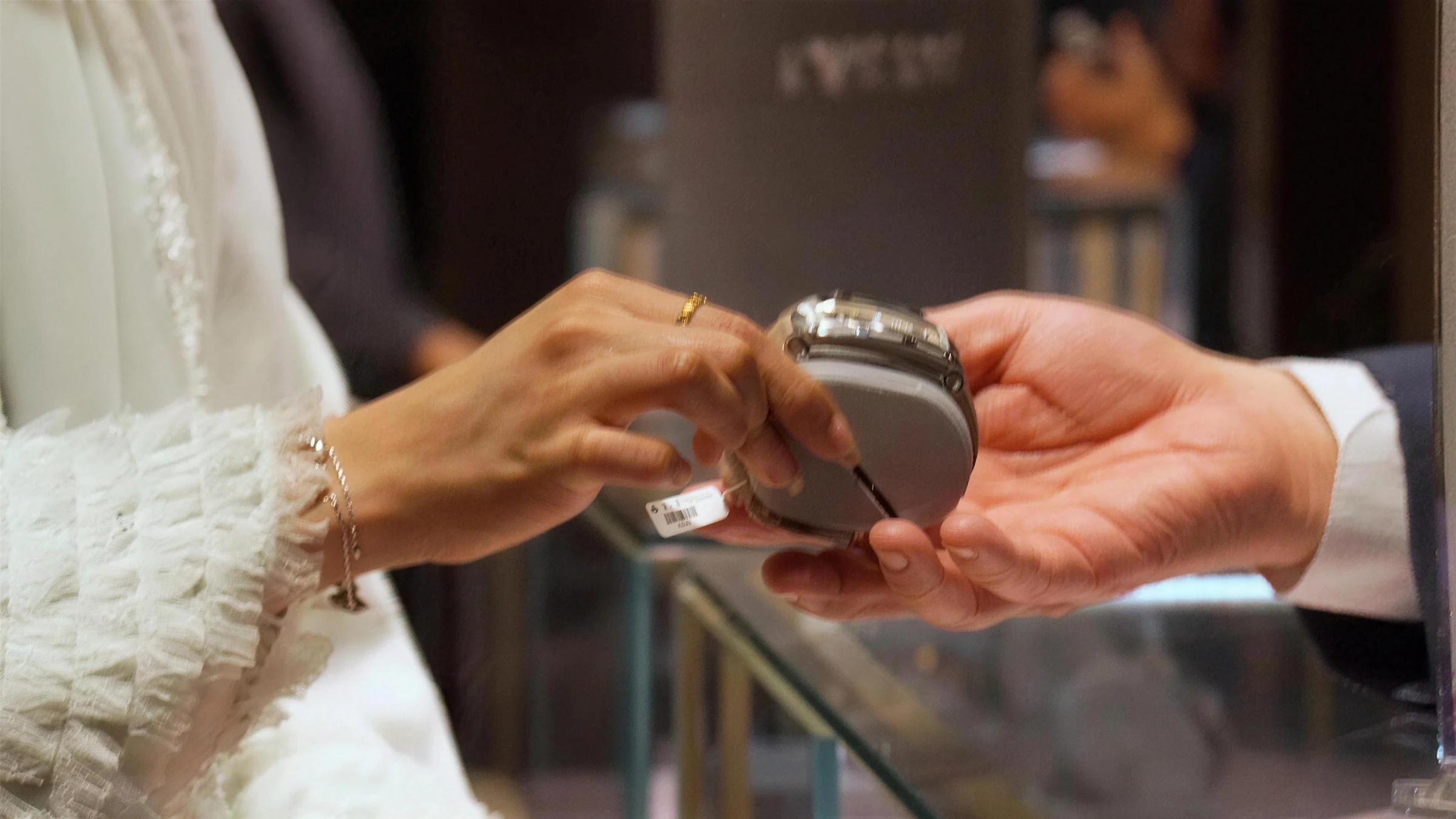
Numbers alone won't settle it, though. Over the past few years, the "limited edition" label has become inflated, with some pieces differing from the standard model only in a colour or an engraving. The strongest stories of the week will be the watches with a clear reason to exist for Saudi Arabia — a design idea, a collaboration with a local collector, a crafted detail or a mechanical development — not just a splash of green or the city's name on the caseback.
From Watch Fair to Watch Community
Perhaps the most exciting thing about this first edition is that it wasn't conceived as a closed trade show. According to the organisers, the aim is to bring brands, independents, collectors, enthusiasts and the public into the same space, giving visitors the chance to see the watches and talk to the people who make them — a model that has become increasingly common across the global watch industry.
It suits Riyadh particularly well. The local collecting community is already there, but events gathering this many independent watchmakers in one place have been rarer here than in Geneva or Dubai. A five-day event that places the Indie Salon next to a hall for the major houses and a majlis for conversation doesn't assume every visitor has come to buy; there is room for anyone who simply wants to understand watchmaking.
That matters if the goal is a market built for the long term. New collectors don't always start by buying an expensive watch. They might start by meeting a watchmaker, looking at a movement through a sapphire caseback or learning why one mechanical watch differs from another — and that curiosity gradually deepens into passion. Which is why the workshops and talks here are far more than a side programme to fill the hours.
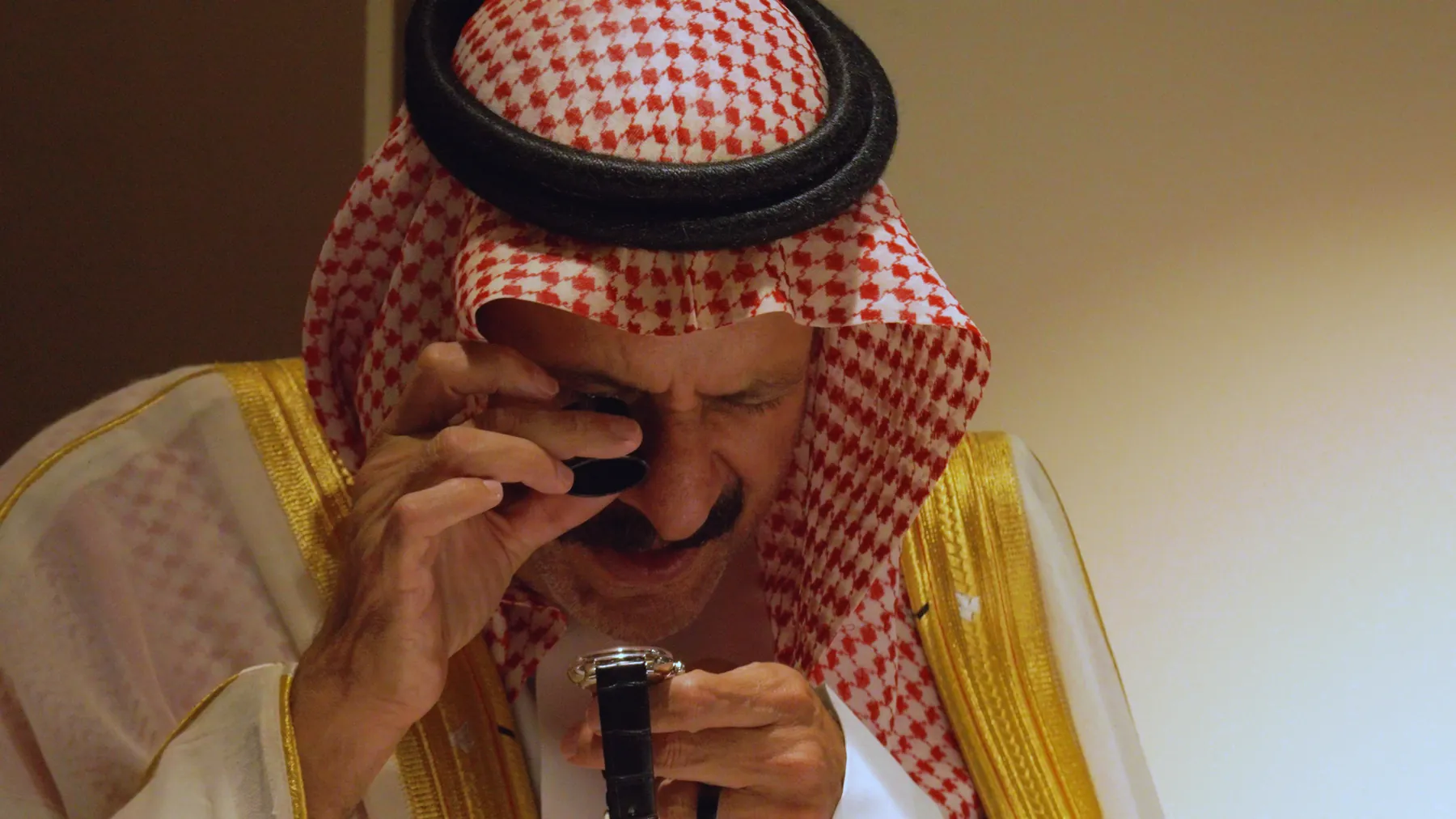
Timeology Nights Puts Riyadh on the World Watch Day Map
On 10 October, World Watch Day events are taking place in cities around the world — from museums and watchmaking schools in Switzerland and France to exhibitions and gatherings in New York, Istanbul, Tokyo and Shanghai. Riyadh now officially joins that map, with an event that brings together collectors, brands, specialists and the public.
What makes Riyadh stand out this year is that the global occasion coincides with a brand-new local event determined to make its mark from day one. Rather than simply hosting watches that have already been revealed elsewhere, it is using the occasion to launch dozens of pieces tied directly to the Saudi market.
If the model succeeds and returns in the years ahead, the significance of Timeology Nights may outlast the 24 editions unveiled in 2026. It could give Saudi Arabia an annual fixture where brands come to meet their collectors and launch their watches — instead of the market's presence being confined to boutiques and private appointments.
The first real test begins tonight, when "24 editions for Saudi Arabia" stops being a line in the programme and becomes a set of real watches to be judged one by one. Only then will we know which carry a story worth remembering after the doors close on 13 October — and which will be just another limited edition in a market that knows full well that rarity alone does not make a watch important.