
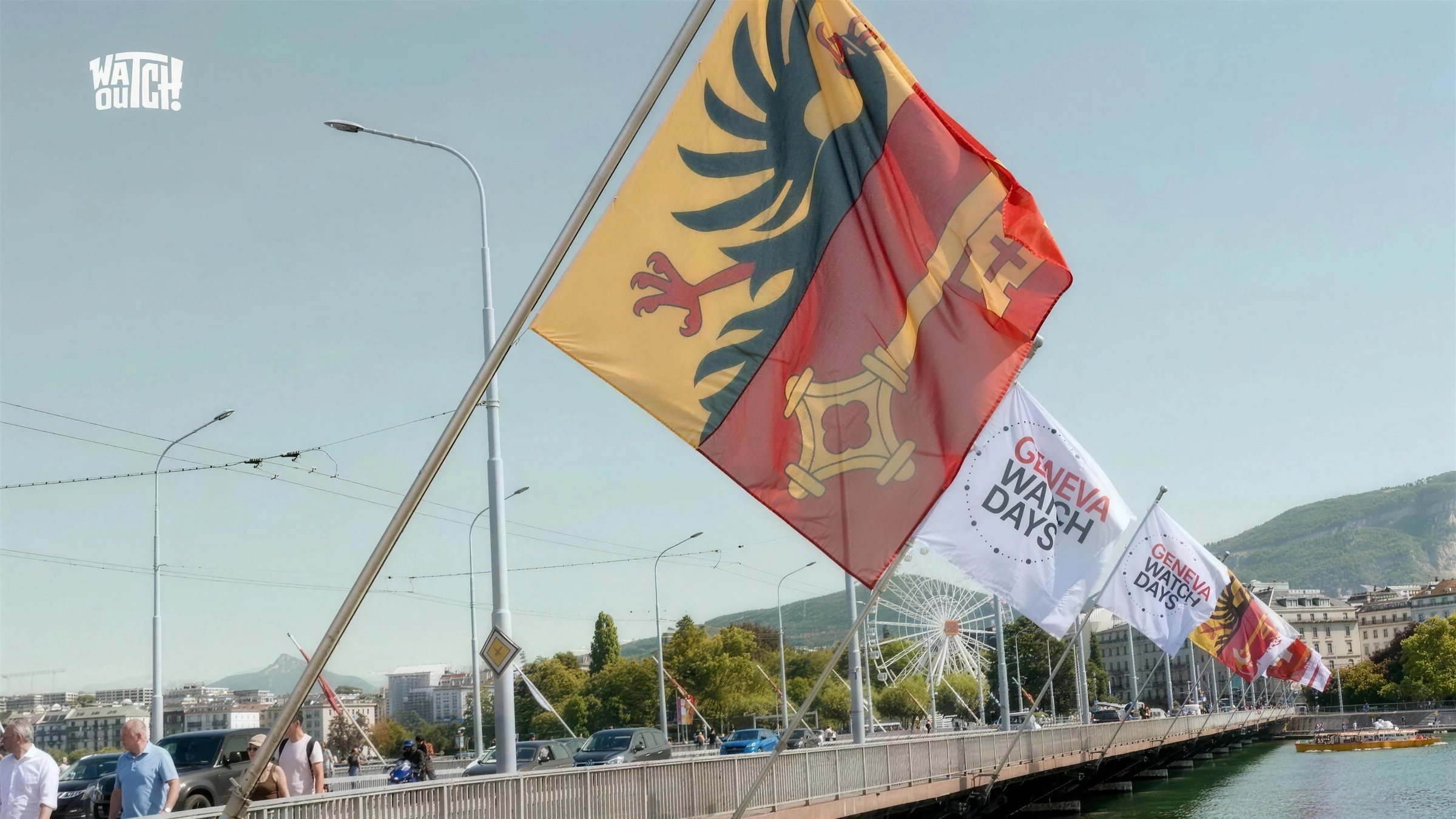
Geneva Watch Days 2026 closed its seventh edition after five days that put Geneva firmly back at the centre of the watch world — and this time the numbers were more than a backdrop. A record 71 brands took part, the highest since the event began; around 400 new references were unveiled; and the event welcomed more than 2,500 collectors, private clients and enthusiasts, alongside over 500 media and content creators and more than 300 retailers. Running from 2 to 6 September, the programme spread across the main pavilion, the Blue Box, showrooms, boutiques and hotels throughout the city — a format that has preserved the open, city-wide spirit that has defined the event since its launch in 2020.
Impressive as they are, the figures don't tell the whole story. This edition revealed a market moving in several directions at once: independents more visible than ever; collaborations between major houses and singular individual talents; historic names brought back to life; fresh experiments in how we read the time; and, running alongside it all, a clear and continuing return to smaller sizes and traditional hand-craft. With watches ranging from CHF 2,900 to well into six figures, Geneva Watch Days felt like a concentrated snapshot of where watchmaking stands today.
A Show That Refuses to Live in One Hall
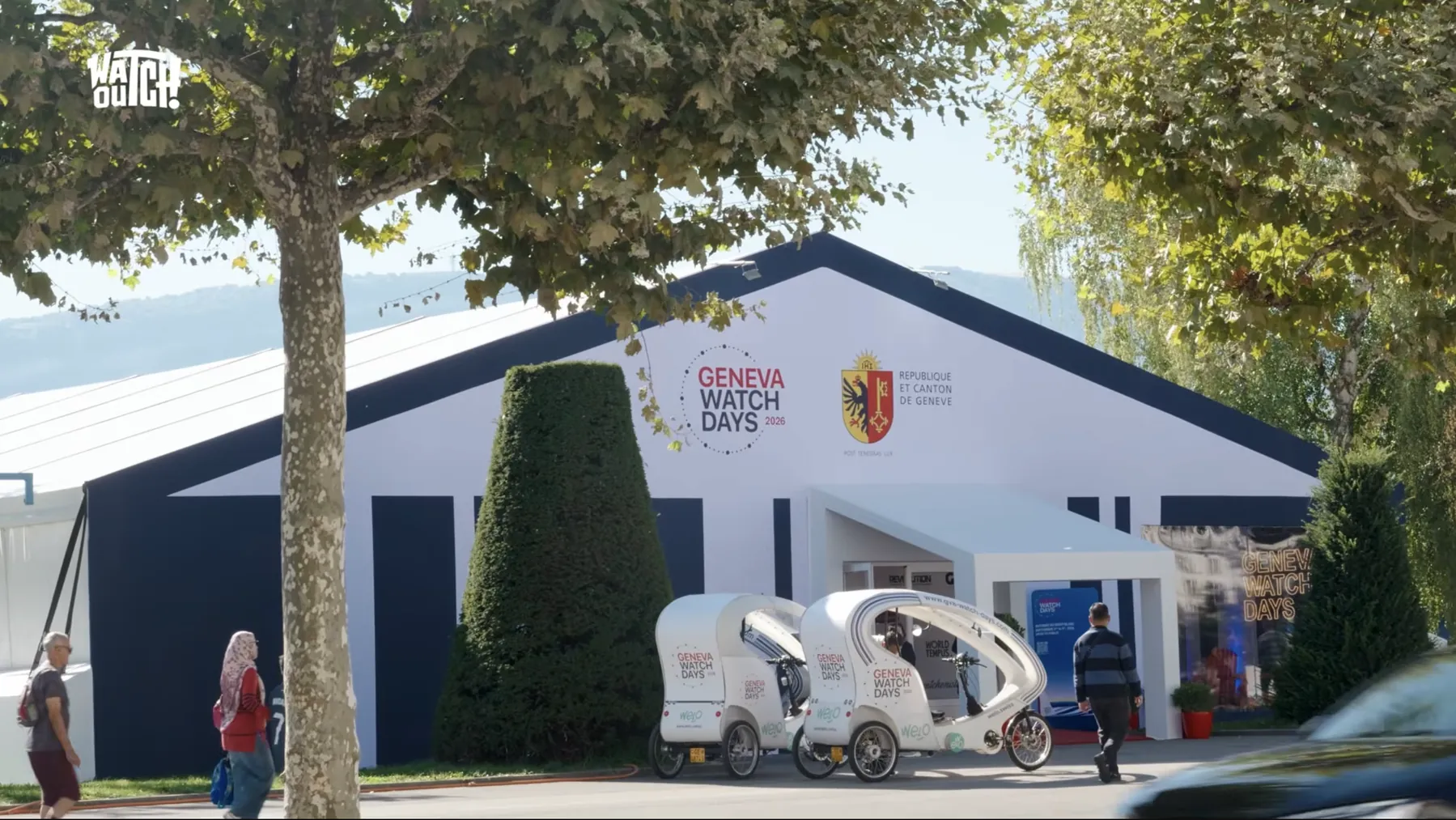
Geneva Watch Days was born in 2020 in exceptional circumstances. With the major fairs cancelled by the pandemic, a group of brands opted for a simple model: spread appointments across the city instead of gathering everyone under one roof. Six years on, what began as a stop-gap has become part of the event's identity. Brands can still welcome guests in a boutique, a hotel or a private salon, while shared spaces let visitors see a large number of watches in one place.
In 2026 the programme featured 89 events over the five days — from Touch & Feel sessions and talks to tours and watchmaking workshops — while the Blue Box gathered pieces from participating brands in a single space next to the main pavilion. The result is an event far less formal than a traditional trade show, one that keeps the distance short between the person who makes a watch and the collector who wants to see it or discuss its details.
Growth brings its own challenge, however. With 71 brands and around 400 launches, this is no longer the intimate gathering of its early years. Hodinkee reported total attendance of around 15,000, down from 17,000 the previous year — yet the number of collectors, clients and dedicated enthusiasts passed 2,500, more than double the 2025 figure. The takeaway isn't that the event is shrinking, but that there is a clear gap between general footfall and the audience genuinely engaged in buying watches and following the industry.
Independents Have Moved to Centre Stage
One of the clearest messages of 2026 is that independent watchmaking is no longer a sideshow. Names such as De Bethune, Greubel Forsey, MING, Czapek, Konstantin Chaykin, David Candaux and Lederer appeared alongside larger brands including Bvlgari, Breitling, Zenith and Girard-Perregaux, making it natural for visitors to move between very different schools of watchmaking — rather than having to go hunting for the independents.
That presence matters. Many of these brands have no extensive retail networks, and some produce in tiny numbers, so fairs remain one of the rare opportunities for collectors to see several pieces in a single day and speak directly to the people who designed them or developed their movements. As the market for independent watchmaking grows worldwide, that proximity has itself become part of what Geneva Watch Days offers — not just a way of showing products.
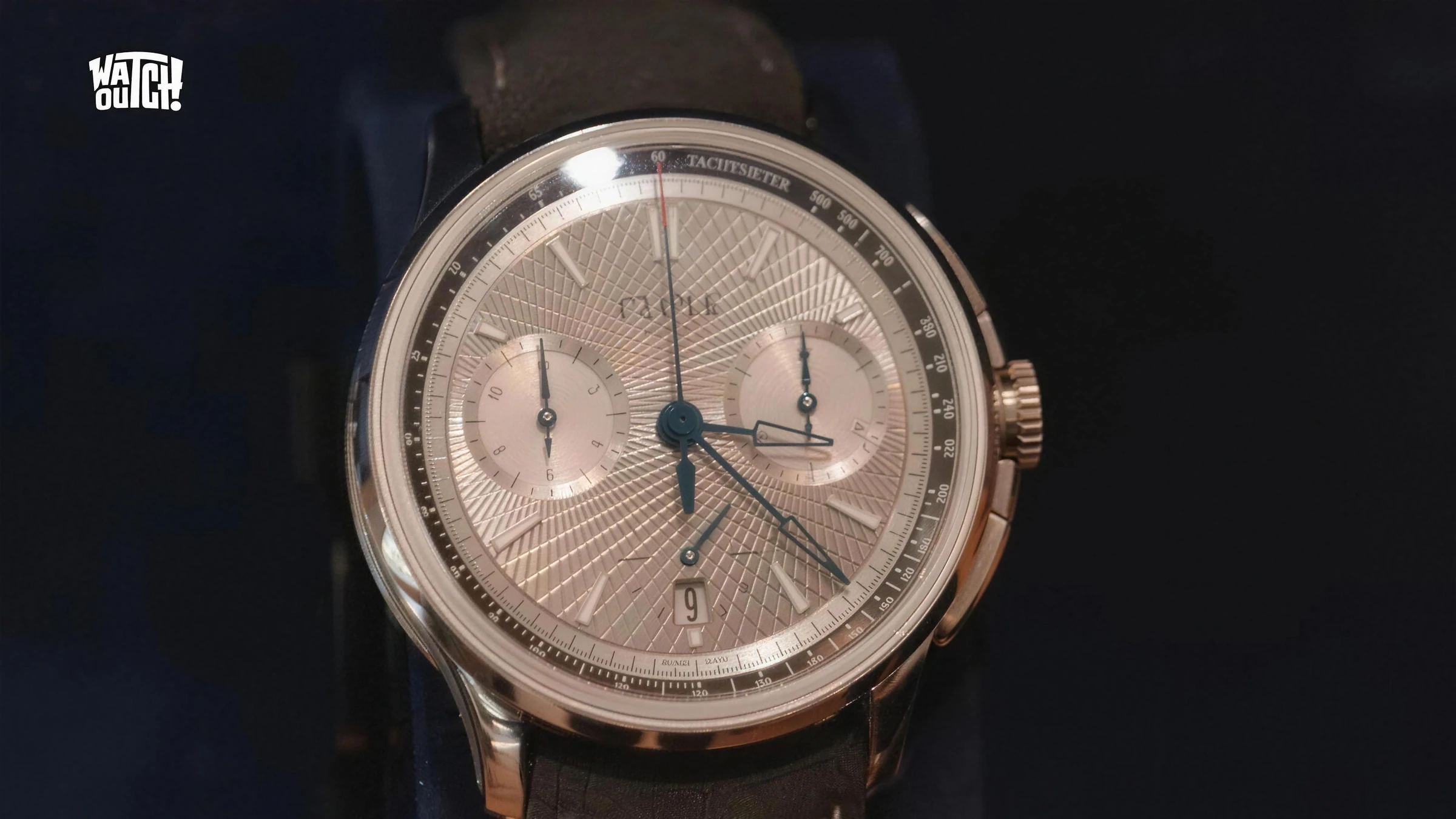
Bvlgari × Vianney Halter: More Than Two Signatures
Among the standout launches was the first collaboration between Bvlgari and independent watchmaker Vianney Halter: the Octo Finissimo Dual Time × Vianney Halter. It keeps the ultra-thin architecture and sharp angles of the Octo Finissimo family while adopting the multi-porthole display associated with Halter's style, with a second time zone, date and day/night indicator — all driven by a new ultra-thin movement, the calibre BVF 200.
What made the collaboration work was how clearly each side remained present. It doesn't read as a standard release with an independent's name added, nor does Bvlgari's identity disappear beneath Halter's aesthetic. The titanium version is limited to 30 pieces at CHF 70,000, and the rose-gold edition to 15 pieces at CHF 108,000 — figures that place it squarely in collector territory. Its real significance, though, lies in the model of collaboration itself: a major house working with a watchmaker known for an intensely personal design language.
A CHF 2,900 Watch That Drew as Much Attention as the Grand Complications
At the other end of the spectrum came the M.A.D.3 from M.A.D.Editions, created with Vincent Calabrese and priced at CHF 2,900 before tax. It revisits Calabrese's "Baladin" concept, in which the hour display travels around the dial instead of relying on conventional hands, with a minute indicator and central seconds. The mechanism sits on a modified La Joux-Perret G111 movement with a module developed by MB&F.
What made the M.A.D.3 stand out wasn't just the price. It delivers a clear mechanical idea you can grasp at a glance, without entering the high price brackets that dominate so much of independent watchmaking. In a fair full of tourbillons and complex movements, it proved that character and an original way of showing the time can still spark a conversation — without having to raise complexity and price at the same time.
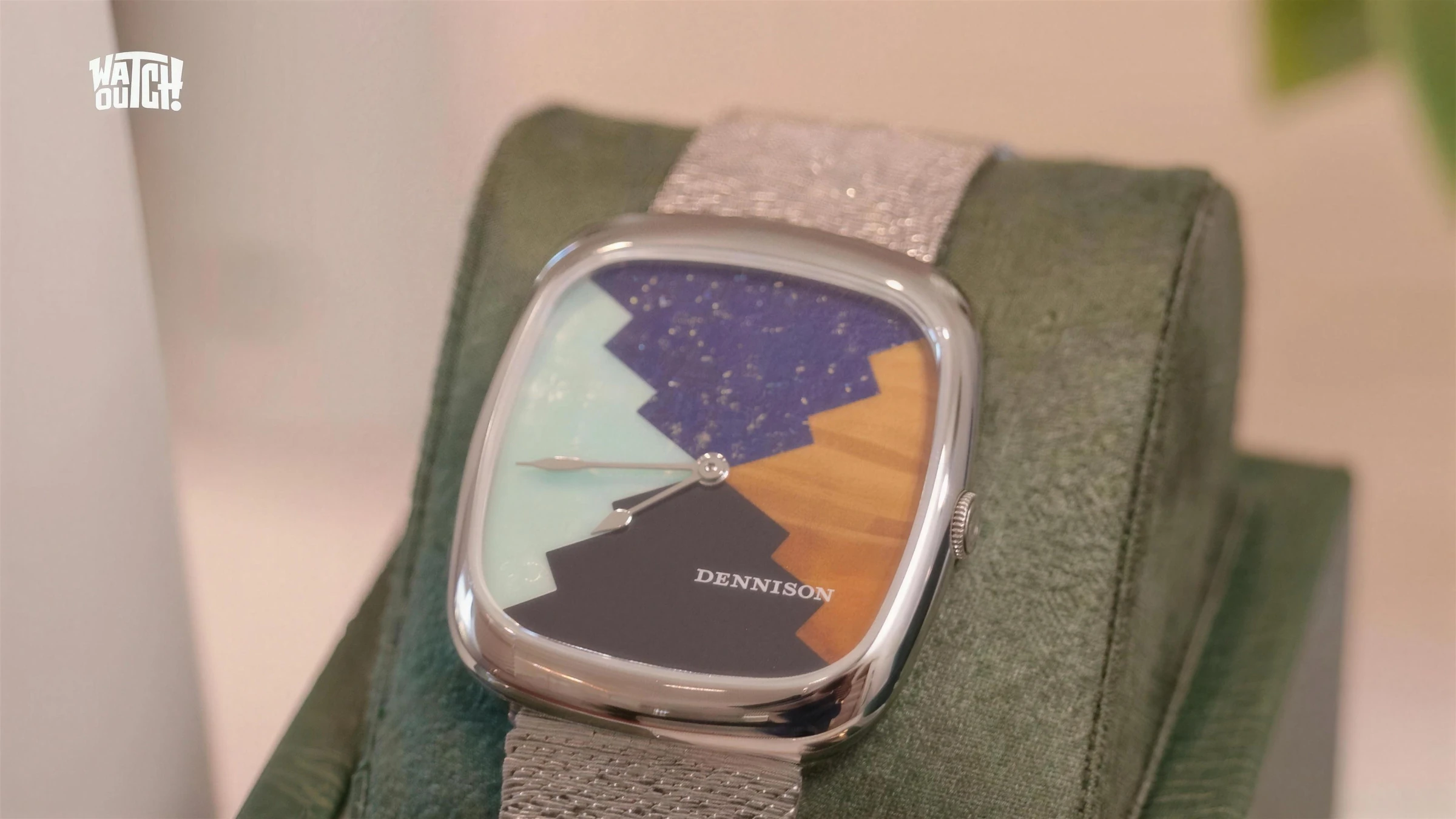
De Bethune Rethinks the Digital Watch
De Bethune presented one of the most visually distinctive watches of the week in the DB25 Digitale. "Digital" here has nothing to do with electronics; it returns to the word's original watchmaking meaning — reading the time in numerals. The hours are shown by a jumping display, the minutes on a separate disc, and a moon-phase sphere sits at the centre of the dial, with no conventional hands or indices.
The dial alone comprises 82 components. De Bethune uses heat-blued titanium and contrasting finishes to create a deep-blue scene centred on the lunar sphere, while a precise spherical system drives the hour and minute displays. It reflects a trend seen again and again in Geneva: rather than chasing new complications, several brands chose to rethink the very way we read the time.
MING Tackles an Old Problem with World Timers
Among the releases that offered a practical solution rather than visual spectacle was the MING 57.05 Comet, a world timer that addresses one of the category's long-standing headaches: the fact that cities and countries apply daylight saving time differently.
MING split the cities into two groups. Those that don't change their clocks stay fixed on the inner ring, while those that observe daylight saving sit on a separate ring that can be clicked 15 degrees in one movement — shifting those cities by an hour without affecting the rest. The system is patent-pending and the watch is limited to 200 pieces — a fine example of innovation that doesn't add a new function so much as improve one that already exists.
Zenith Takes the Chronograph Out of a Chronograph Icon
Zenith sprang a surprise of its own with the Chronomaster Solo Sport, taking the El Primero identity — historically inseparable from the chronograph — and placing it in a three-hand sports watch. The movement keeps its high 5 Hz beat, while the collection features ceramic dials and rotating bezels, aiming to carry part of El Primero's character into a simpler, more everyday watch.
At first glance this runs counter to the usual playbook, in which brands use a famous name to add ever more functions. But it reflects another trend visible throughout the fair: simplifying rather than complicating — whether through fewer functions, smaller sizes or slimmer cases.
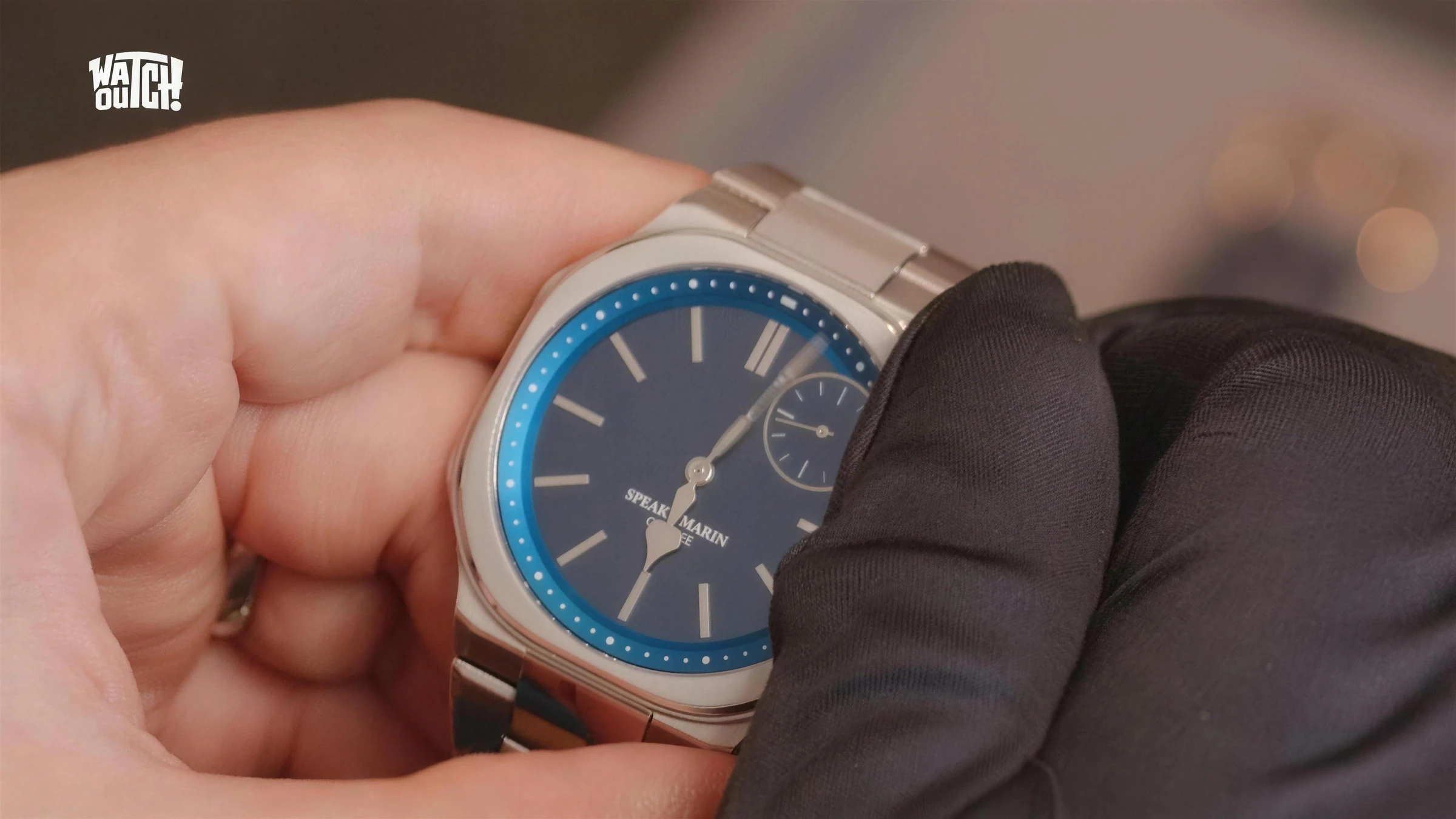
Gallet Returns, 200 Years After Its Founding
Not all the news was about new watches. The week also saw the full return of Gallet in its bicentenary year. Founded in La Chaux-de-Fonds in 1826 and acquired by Breitling in 2025, the brand was officially relaunched on 3 September 2026 with four new collections, backed by Breitling's industrial base, after-sales service and distribution network.
This differs from revivals of historic names that amount to little more than a logo. Gallet enters the market supported by an established company, while trying to keep its long-standing ties to pilot's, racing and exploration watches. Its success won't be measured by the size of its archive, but by its ability to earn a convincing place for a historic name in a market crowded with old and new brands alike.
Daniel Roth Proves That Something New Can Come from an Old Technique
With the Extra Plat Rose Gold Gilt, the story wasn't a new complication but a return to an old way of making a dial. It starts from a solid-gold base, then goes through stages of masking, lacquering and finishing so that the Roman numerals and signature aren't printed on the surface at all — they emerge from the original gold beneath the black layer. The watch also combines two hand-executed guilloché patterns and runs on the hand-wound calibre DR002, made up of 143 parts.
Releases like this are a reminder that innovation in watchmaking doesn't always mean more components or a new patent. At the top of the market, value can lie in reviving an old craft and executing it to a level that feels contemporary without losing its roots.
Smaller Sizes Keep Coming Back
More balanced proportions continued to gain ground in Geneva. A prime example was Girard-Perregaux's Laureato Fifty Tourbillon Micro-Rotor at 39 mm, which pairs a tourbillon with an automatic micro-rotor in the new GP8410 calibre, delivering high complication in a case smaller than the traditional image of big mechanical watches.
In a similar vein, Greubel Forsey reworked its GMT Balancier Convexe in a 42.9 mm titanium case — smaller than the previous version — while retaining the rotating globe, world time and summer/winter time indicator, in an edition of 22 pieces. 42.9 mm may not sound small in conventional terms, but it is a clear step for a brand famous for large, three-dimensional watches, and it confirms that wearability is now part of the conversation even at the very top of high complication.
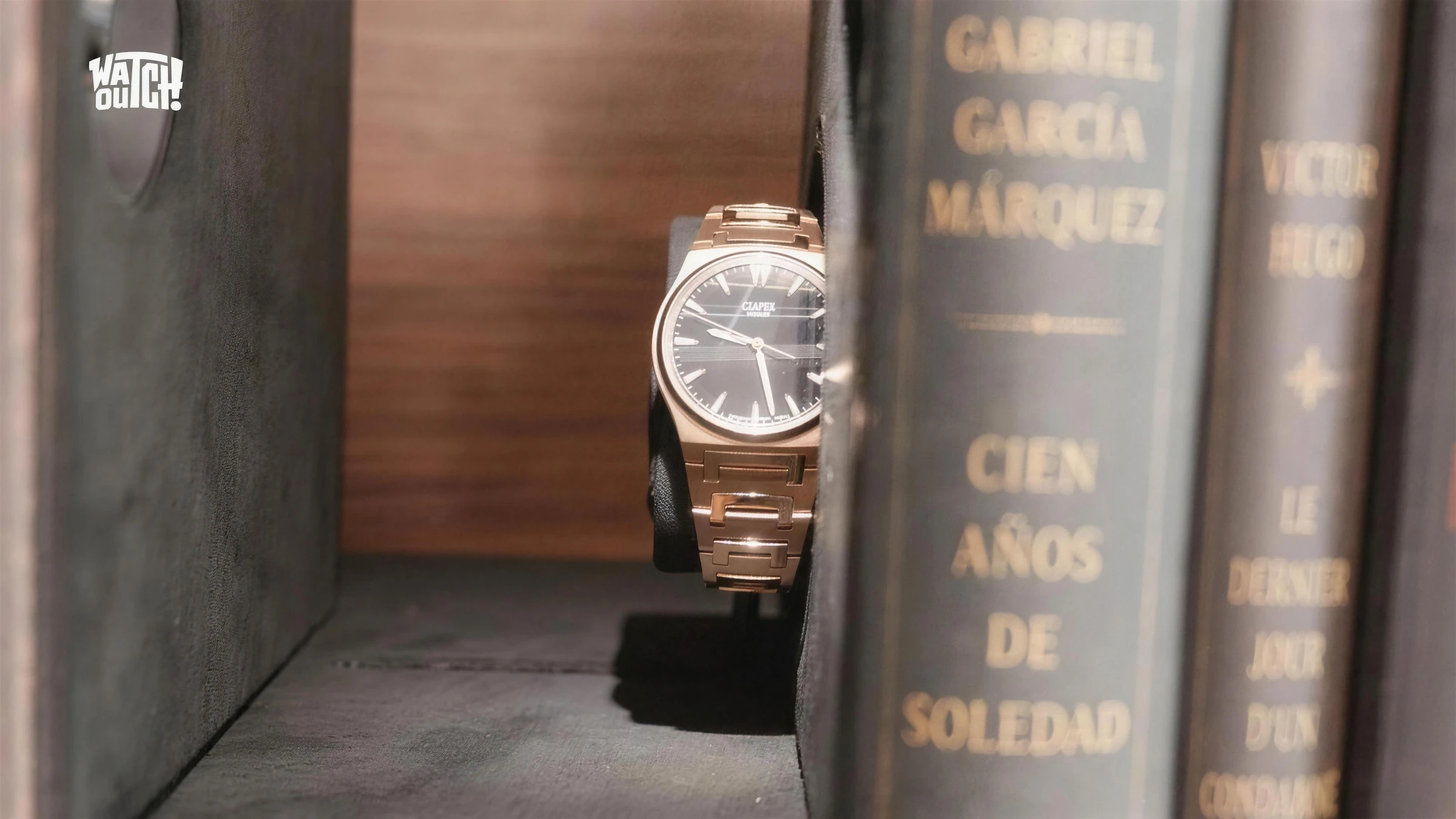
Prices Reveal an Increasingly Polarised Market
The gap between the CHF 2,900 M.A.D.3 and independent pieces reaching tens or hundreds of thousands was more than the usual spread between products — it has become a defining feature of the market. Some brands are working to offer a distinctive mechanical experience at a price a wider audience can reach, while others are moving towards lower output, more hand-work and pieces aimed squarely at top collectors.
That divergence makes the question of why a watch exists more important than ever. A buyer spending three thousand francs wants a clear idea and value they can understand; one spending a hundred thousand or more wants something beyond manufactured scarcity or a new colourway. Perhaps that's why the releases with a clear idea — in time display, craft or function — drew more attention than watches relying solely on limited numbers.
An Auction That Raised CHF 115,000 for the Next Generation
The event also had a side that went beyond sales and launches. Phillips, in association with Bacs & Russo, held its fourth annual charity auction, featuring 16 lots and one unique experience offered by participating brands. It raised CHF 115,500 for the Geneva Watchmaking School and the Pierre Amstutz Fund, which supports watchmaking and micro-engineering students facing financial hardship. A unique piece from Konstantin Chaykin achieved the top result at CHF 24,000.
That brings the total raised over four editions to CHF 519,400 — a point of real significance in an industry that constantly talks about a skills shortage and the need for a new generation of craftspeople. A fair that showcases hundreds of new watches ultimately depends on people who can make, finish and service these movements for decades to come.
What Does 2026 Say About the Future of Geneva Watch Days?
Geneva Watch Days is now much bigger than it was at its founding, yet it is still trying to stay true to its original idea: a show that spreads through the city rather than confining everyone to one hall, that gives independents space alongside the big names, and that lets collectors get closer to the watch — and its maker — than some of the giant events allow.
The 2026 edition confirmed that the model works, but it also exposed the challenge ahead: the more brands and launches it attracts, the harder it becomes to preserve that intimacy. Even so, what lingers after the five days isn't just the 71 brands or the roughly 400 launches, but the diversity this space made possible — a major house collaborating with an independent, an unconventional watch for under three thousand francs, the return of a two-hundred-year-old name, and fresh solutions to complications the watch world has known for decades.
That is why 2026 feels like more than simply the biggest Geneva Watch Days yet. It is one of the clearest pictures of what is happening in watchmaking right now: a market more open to independents, more sensitive to price and more interested in craft and in how time is displayed — at a moment when no brand can rely on its history or rarity alone to hold collectors' attention.