
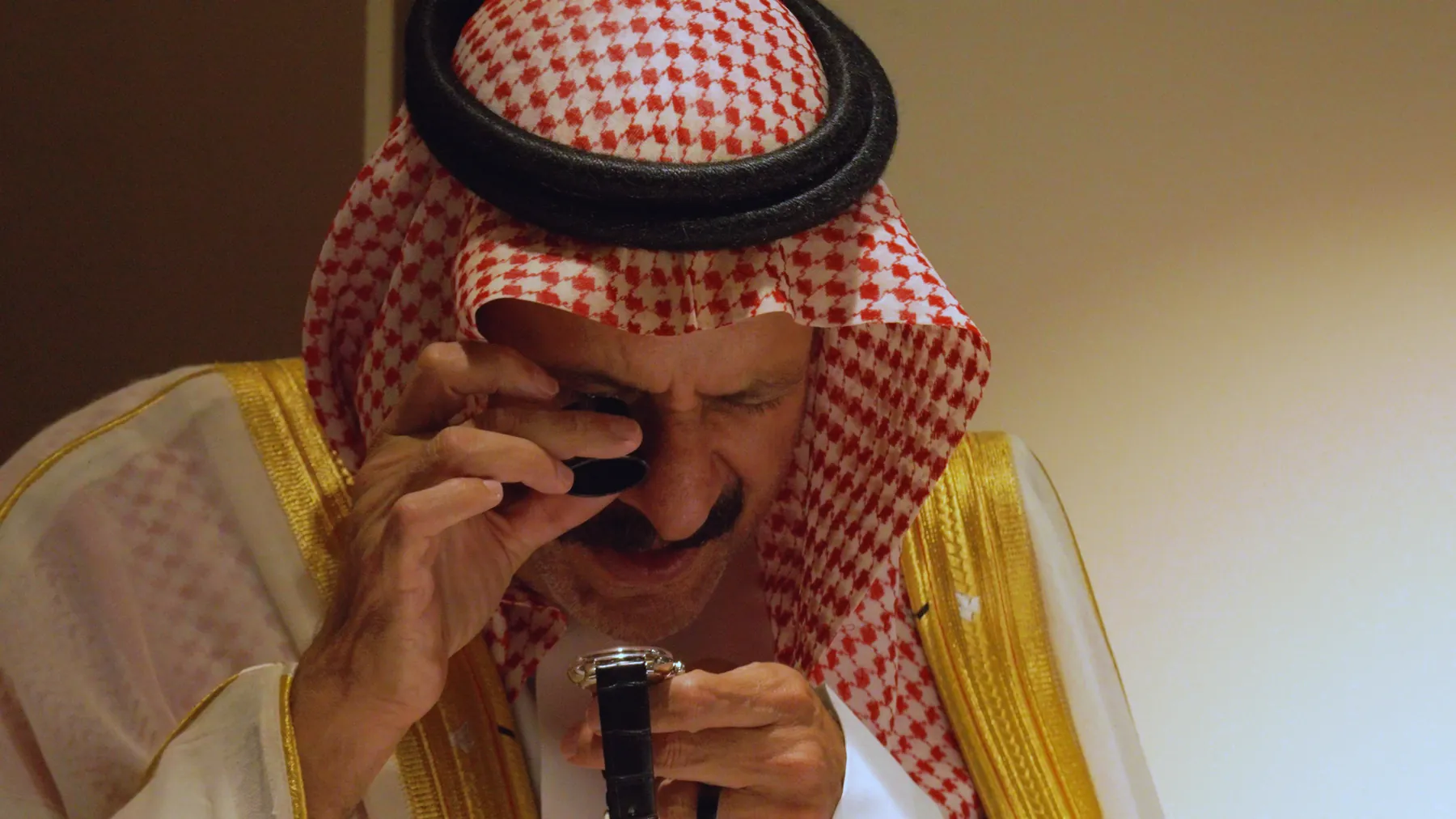
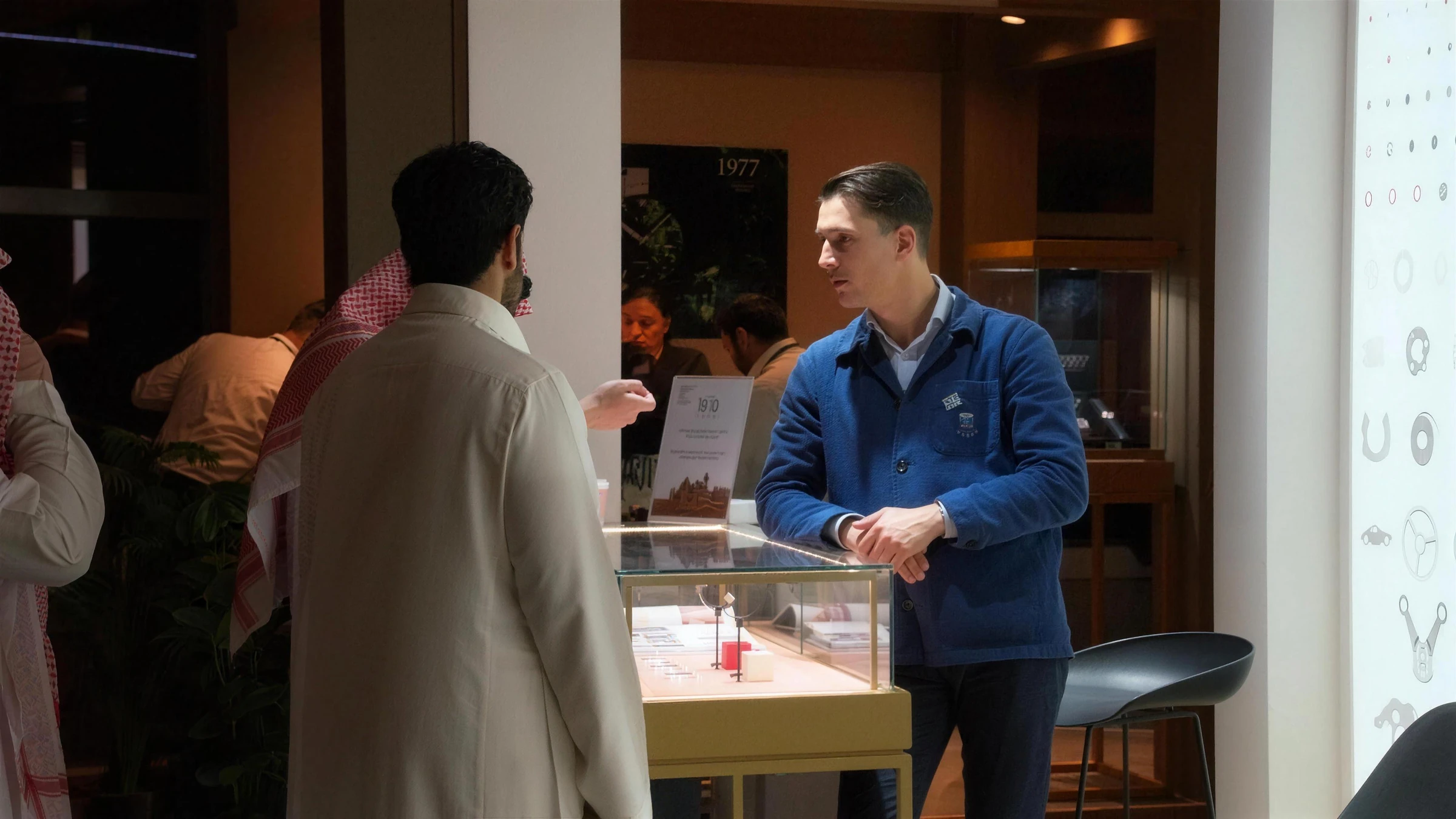
When “Timeology Nights” opened its doors in Riyadh on October 9, it would have been easy to view it simply as another entry on the region's luxury horology calendar. Five days later, the broader narrative tells a different story. The inaugural edition did not merely bring brands and independent watchmakers to the Kingdom; it confronted them with a fundamentally different premise: what can manufactures create when Saudi Arabia becomes an intrinsic part of the watch's conceptual foundation, rather than solely the retail destination where it is sold?
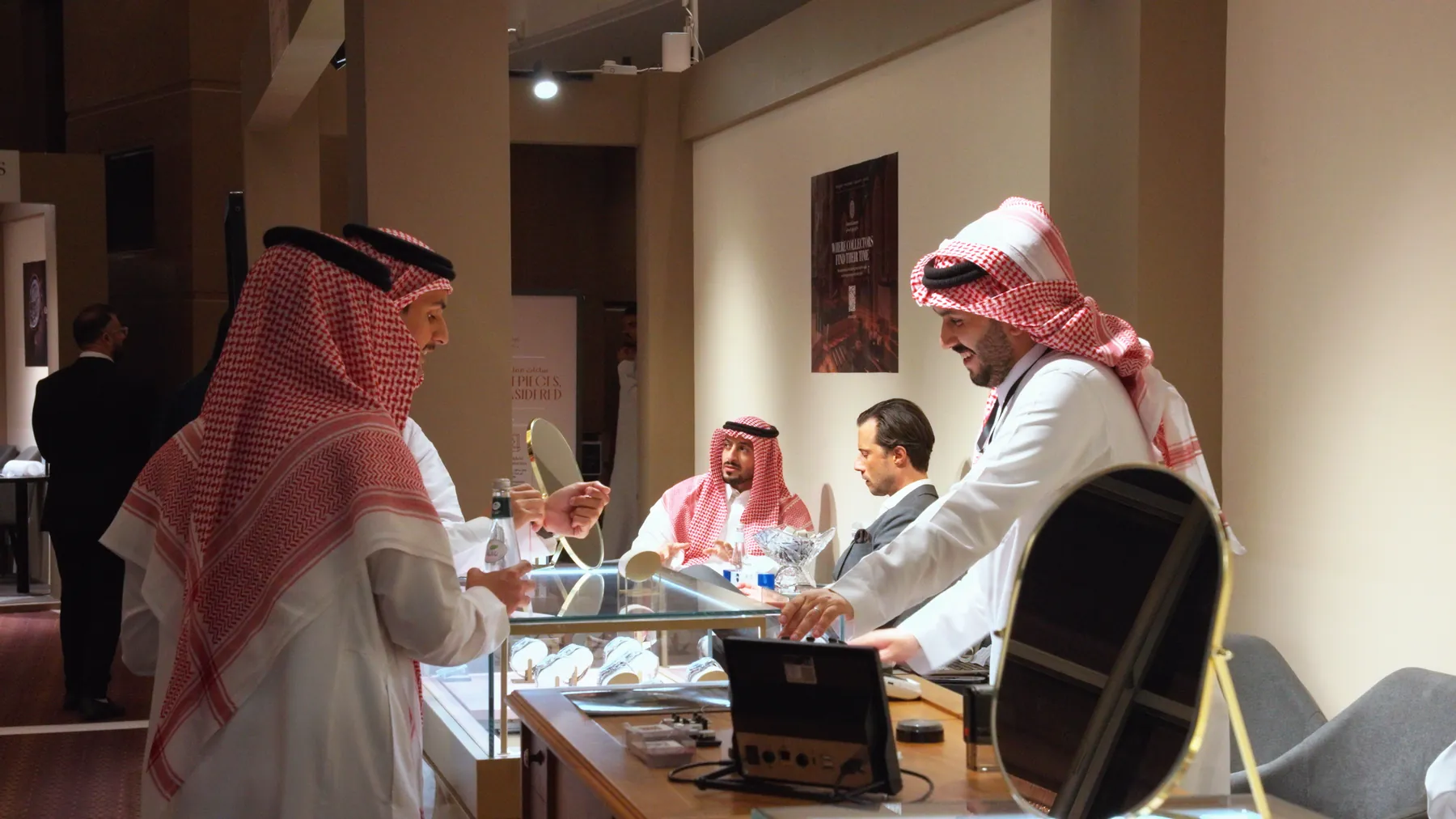
The answer emerged distinctly across 24 limited editions developed specifically for the Saudi market, unveiled on October 10 to coincide with World Watch Day. The collective lineup brought together projects from the “NAWAT” series by 10tenLabs, editions developed by the Collectors Watch Club, and direct collaborations with several participating manufactures—standing as the most extensive suite of bespoke editions ever created for the Kingdom.
As the salon concluded on October 13 at the Four Seasons Hotel Riyadh, official figures detailing visitor turnout, direct sales, or institutional transactions completed across the five days had not yet been released. However, the absence of these metrics does not hinder an analysis of what has already shifted: the debut edition presented an operational model in which the Saudi market moves a decisive step beyond collecting timepieces toward actively shaping the creations produced for it. 24 Limited Editions: The Distinction Lies in the Starting Point
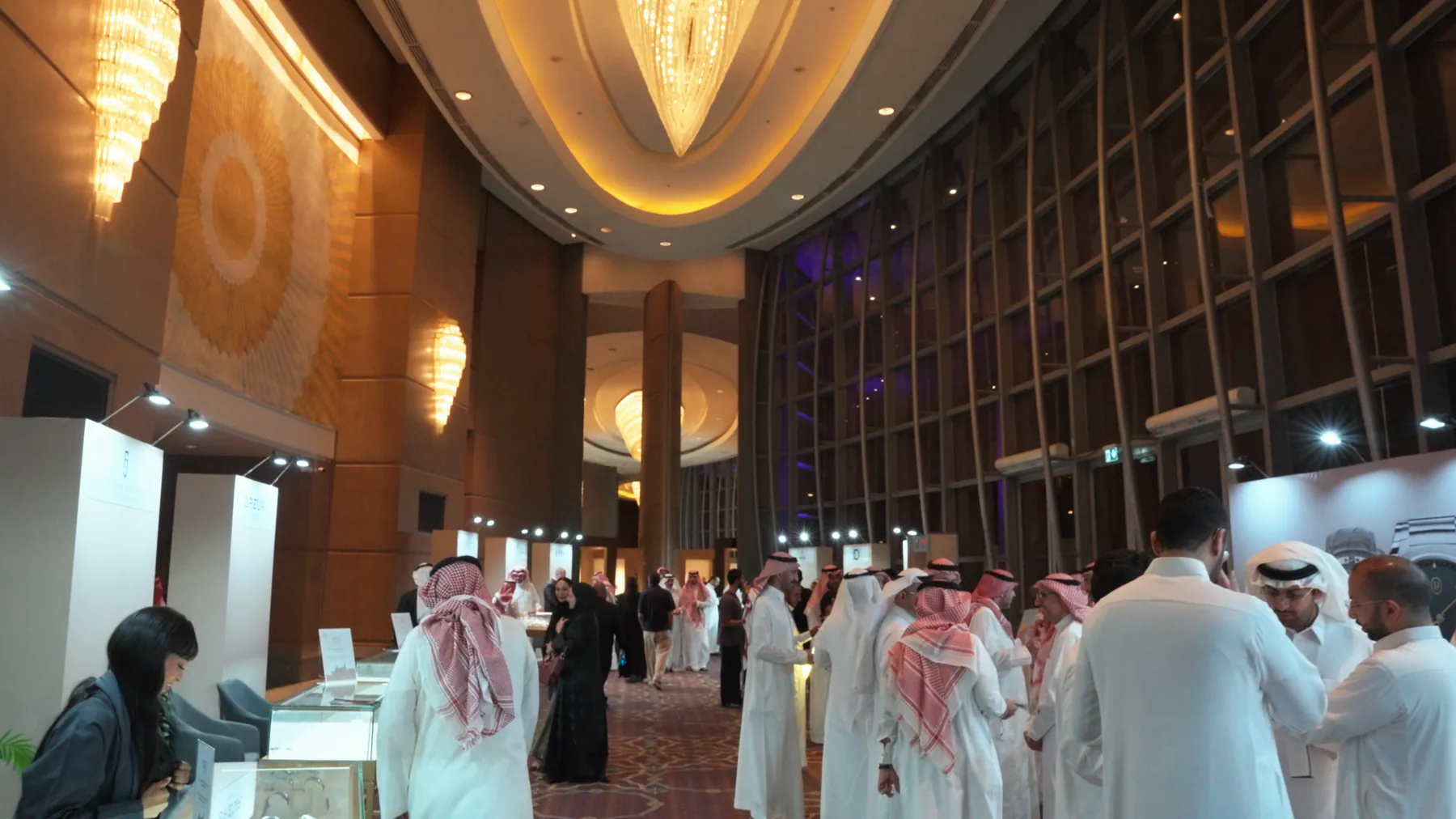
Market-specific limited editions are hardly a novel concept in watchmaking. Typically, they start with an existing catalogue piece, followed by an altered dial hue, a different strap, an engraved caseback, and the commercial tag of “exclusive.” While certain pieces in Riyadh followed this conventional path, several creations ventured considerably further, embedding Saudi culture, geography, and material heritage directly into the physical components, design philosophy, and conceptual core of the watch.
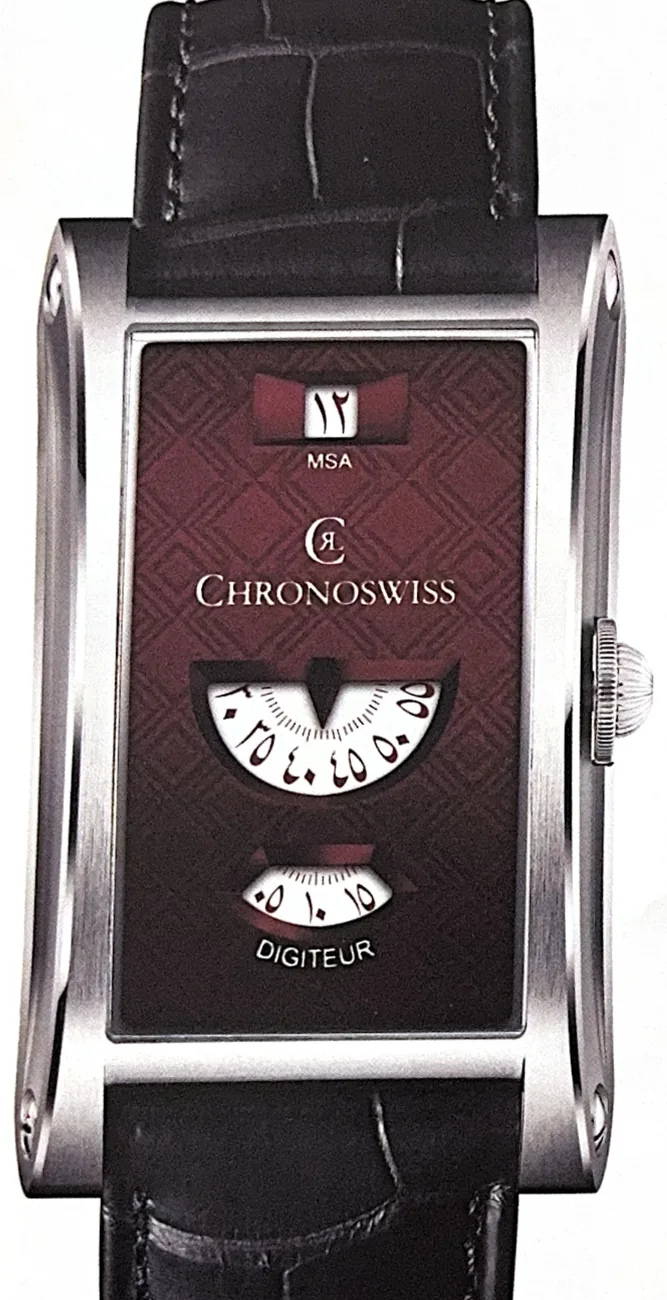
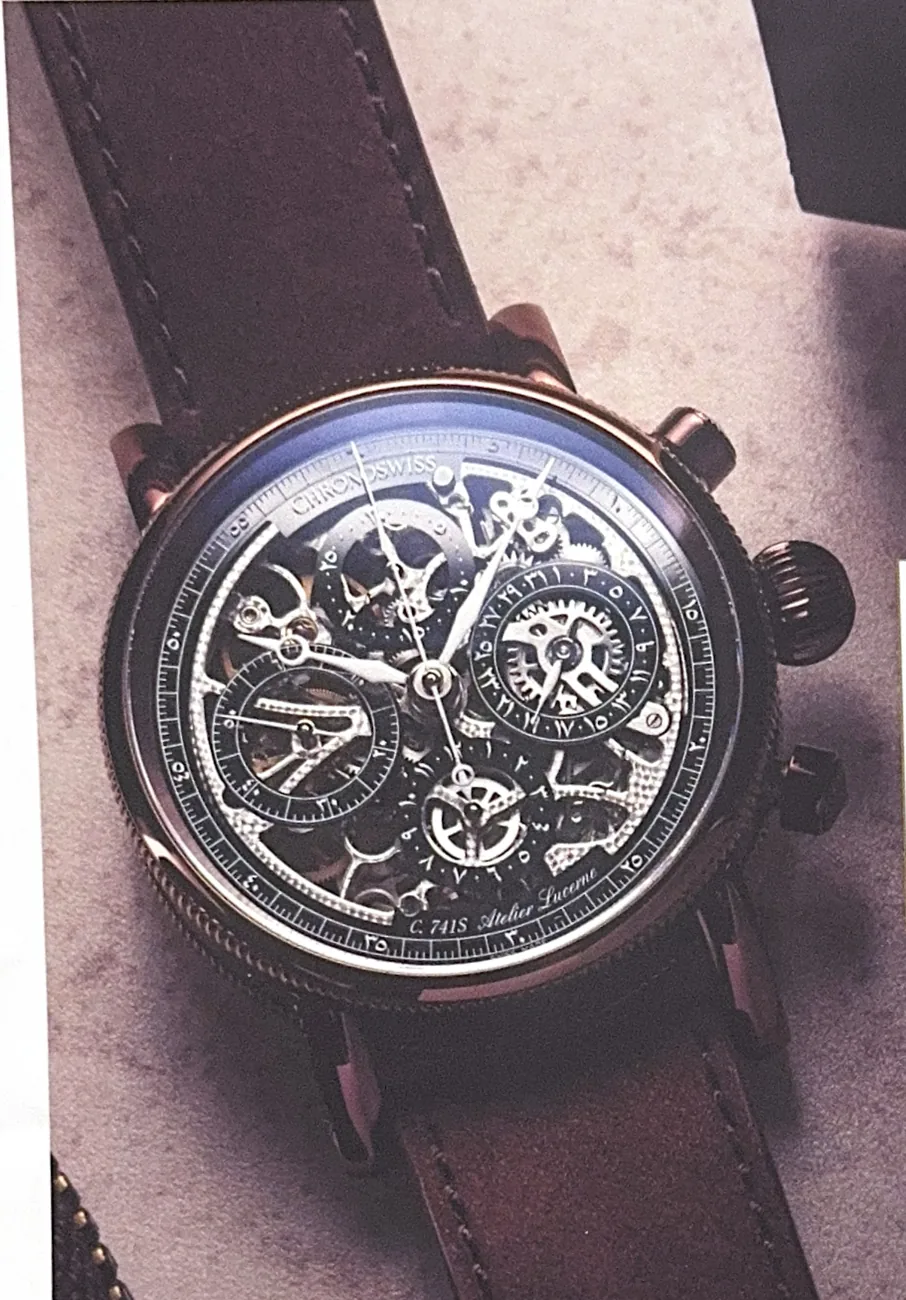
Chronoswiss drew inspiration from traditional Sadu weaving for the “Neo Digiteur Al Sadu,” while the “Opus Maraya” translated the architectural reflections of AlUla’s Maraya concert hall into the watch’s internal finishing and play of light. Both references were strictly limited to 15 pieces each and developed alongside 10tenLabs for the Saudi market.
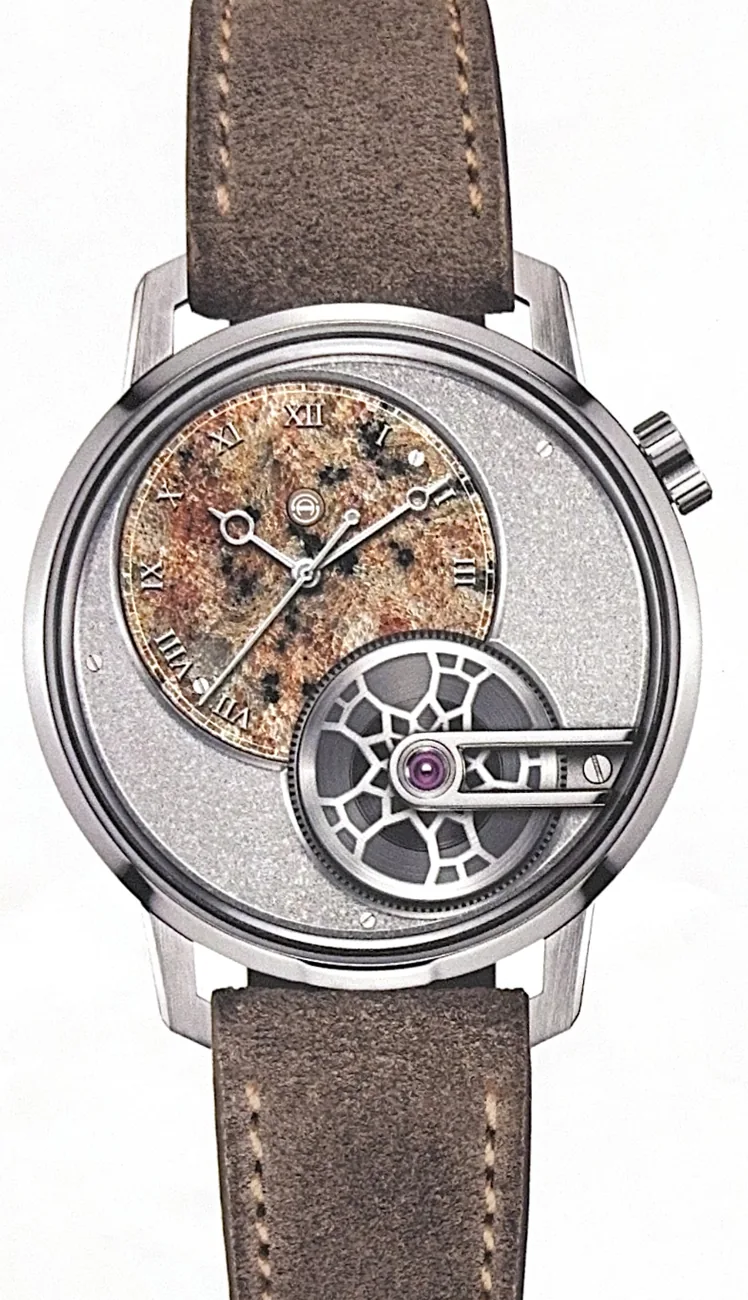
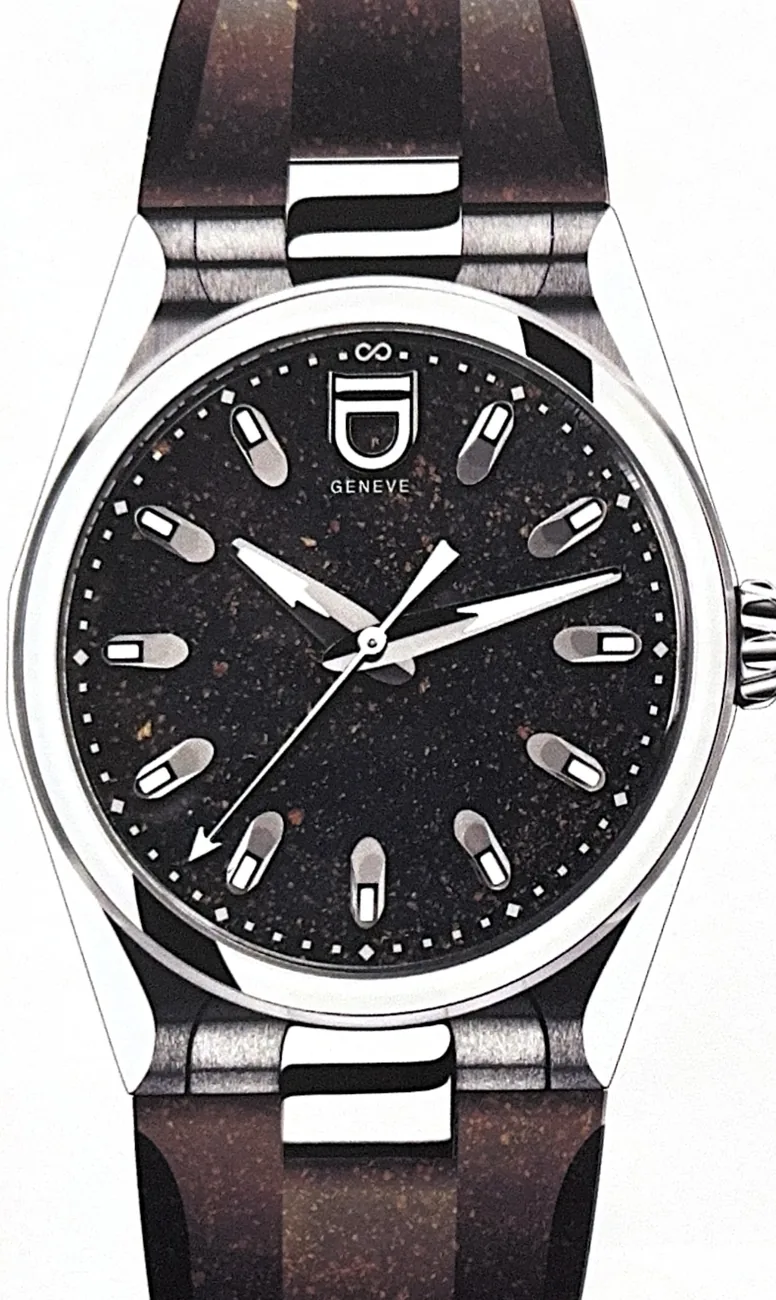
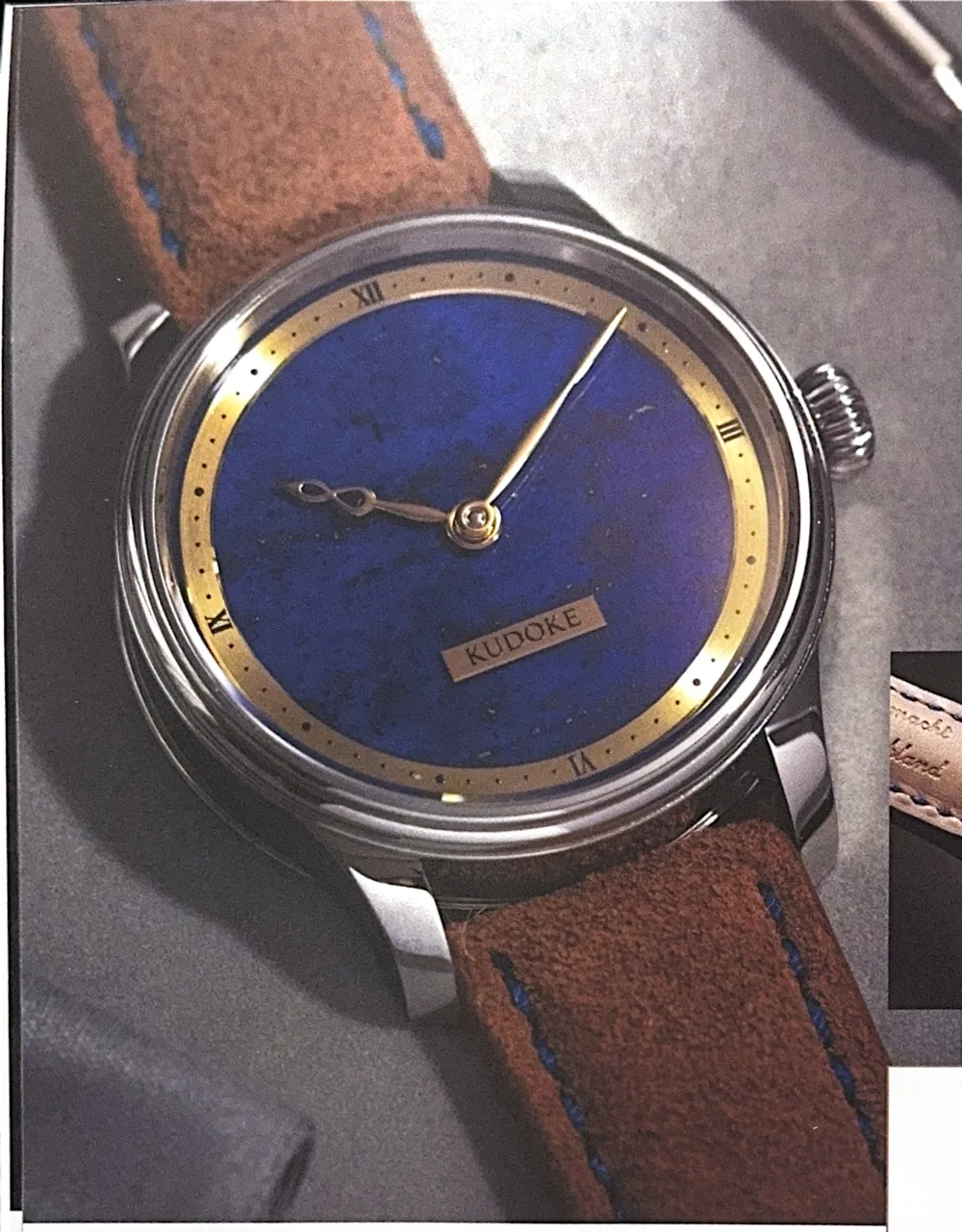
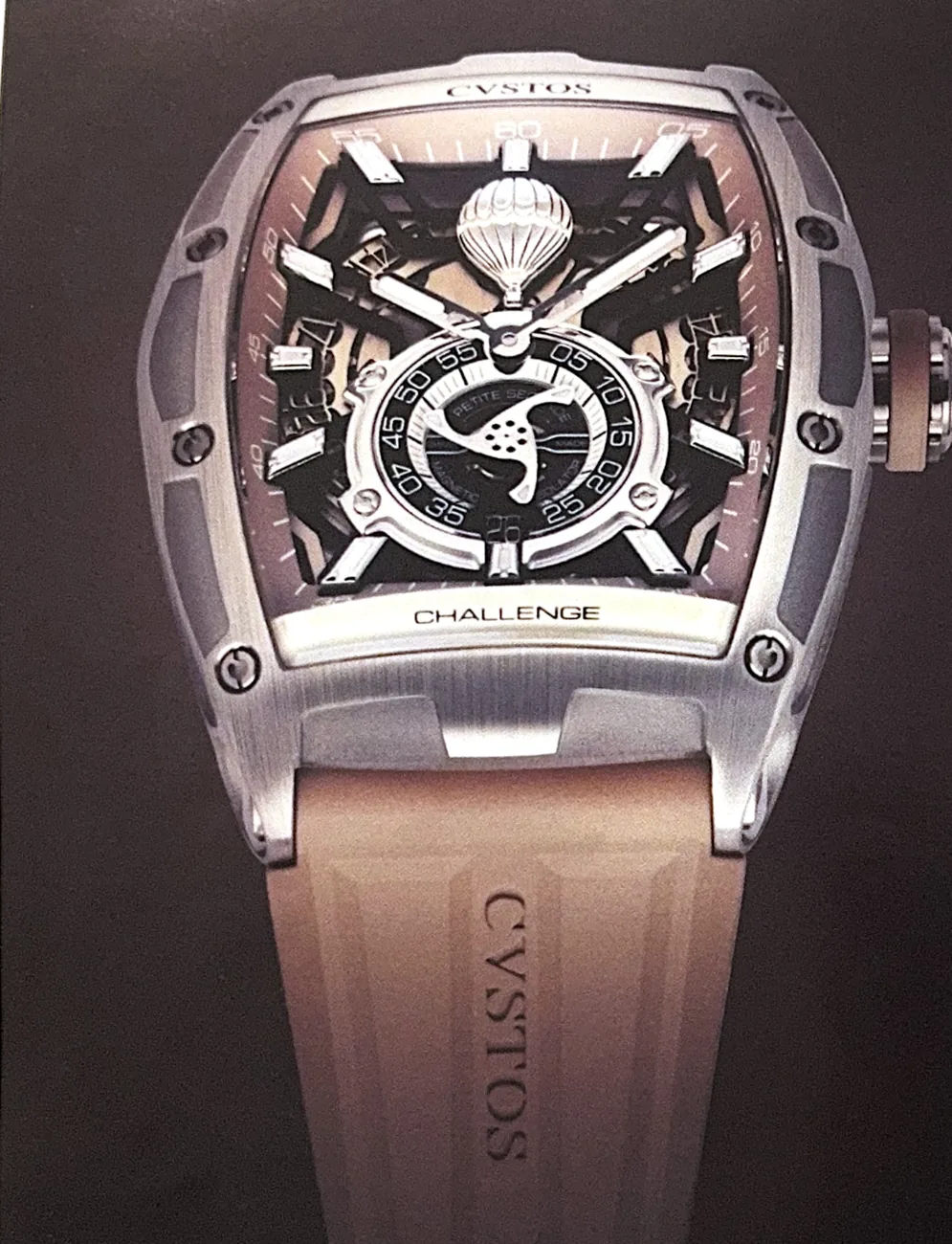
In Armin Strom’s “Hajar Tribute 1,” nepheline syenite stone—sourced from the Kingdom’s distinct geological formations—was integrated directly into the dial surface. ID Genève utilized an eco-composite derived from Saudi coffee grounds and date seeds in its “Ghadou” edition. Kudoke looked to the historic gold mines of Mahd Ad Dhahab with a gold-veined lapis lazuli dial, while Speake-Marin incorporated the ancient South Arabian Musnad script into its dedicated “Musnad” edition.
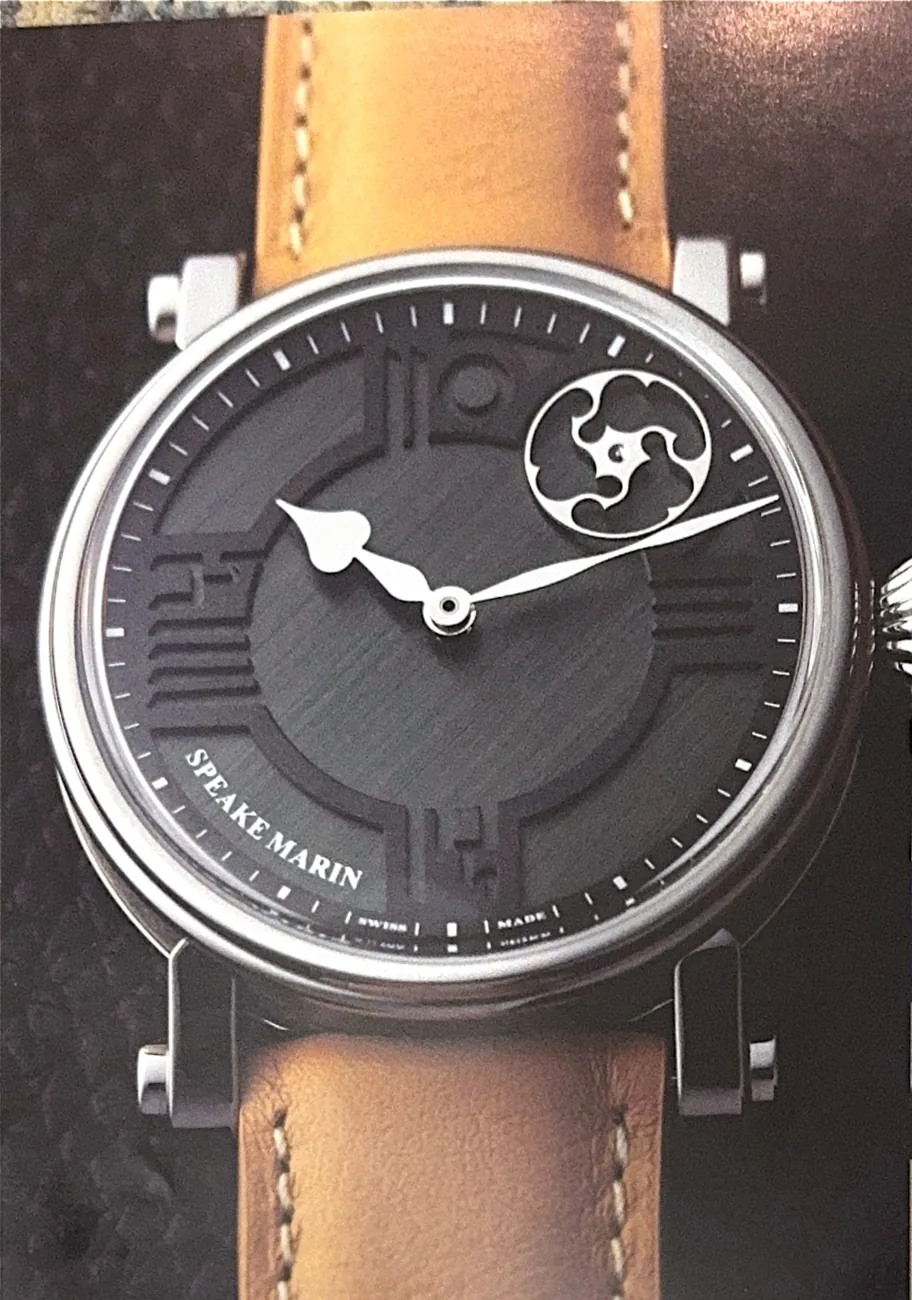
These nuanced choices give the 24 releases far more weight than their sheer number suggests. The relevant question is no longer: How many watches were produced for Saudi Arabia? Instead, it becomes: To what extent could a manufacture distill an authentic Saudi motif into horological vernacular without compromising its own design identity? Saudi Arabia as a Conceptual Source, Not Just a Point of Sale
Khaled Zein El Abidin, founder and managing director of 10tenLabs, captured this direction during the collection's unveiling, noting that the goal extends past bringing exceptional watches into Saudi Arabia toward building a living bridge between international watchmakers and the Kingdom’s culture and heritage, citing Saudi Arabia as an accelerating source of creative inspiration in the field.
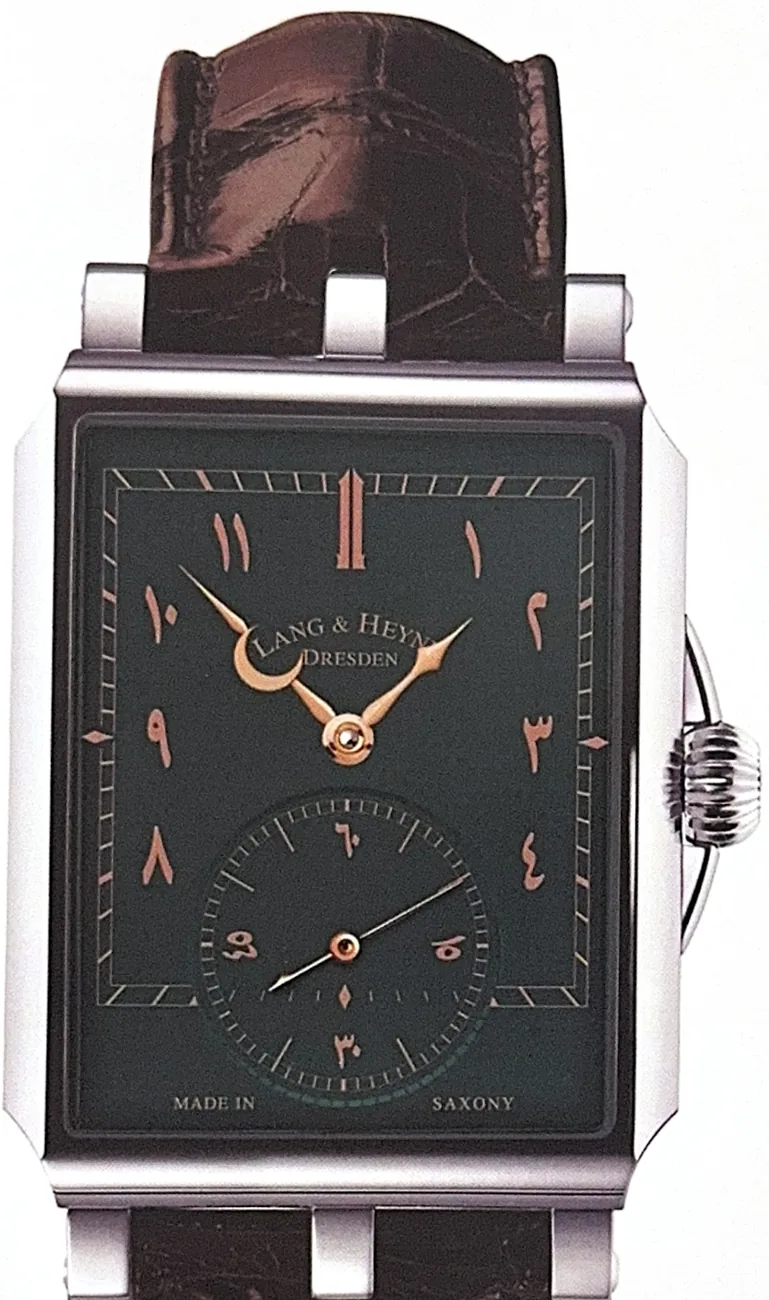
This design philosophy surfaced across markedly diverse watches. The “Clock” edition by independent German atelier Lang & Heyne reinterpreted the Makkah Clock Tower within its rectangular “Georg” reference, complete with an olive-green dial and Eastern Arabic numerals, while other manufactures looked to Arabian thoroughbreds, Al-Idrisi’s historical cartography, AlUla, and desert topographies.
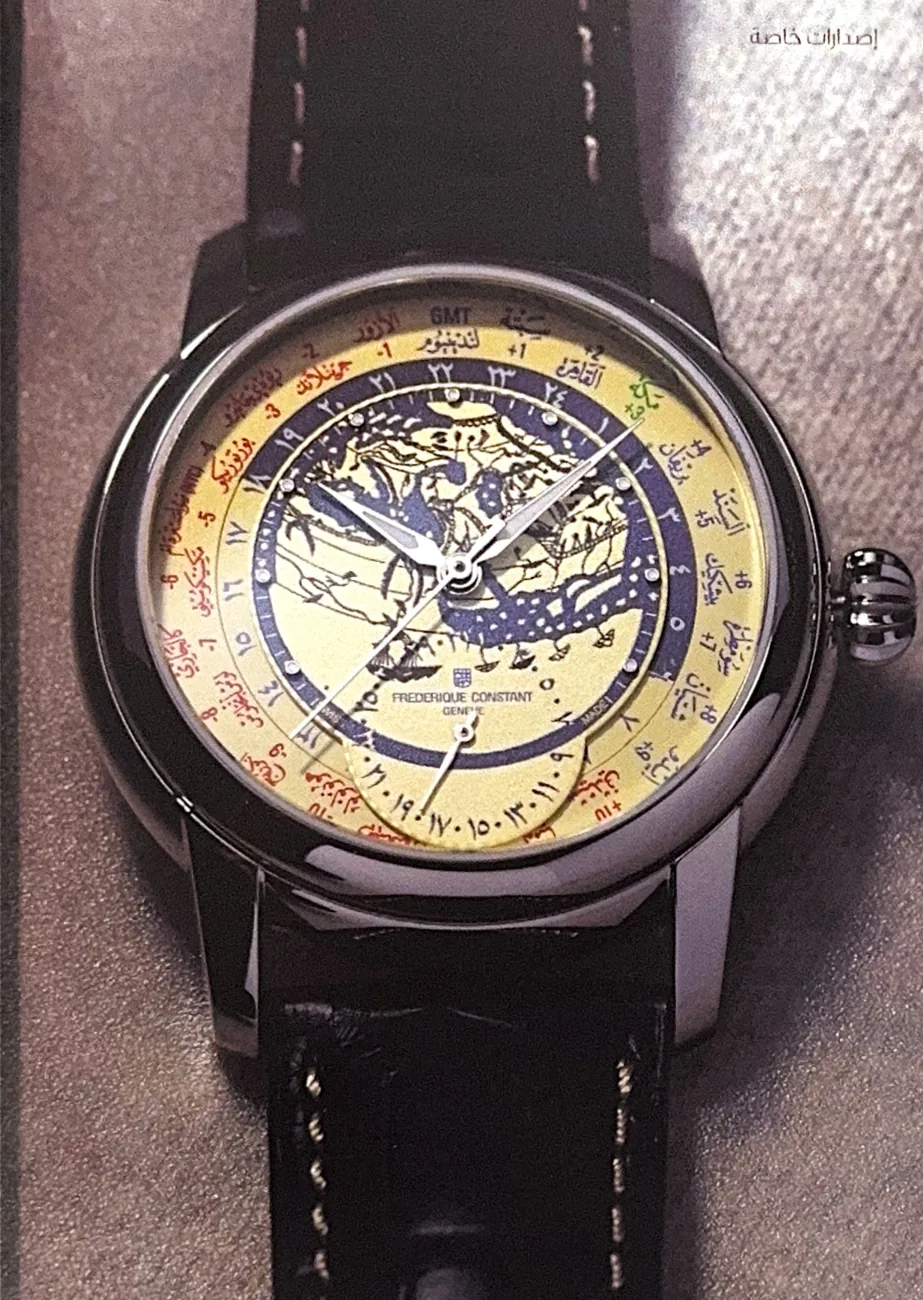
This does not imply that every release achieved the same degree of narrative depth; certain pieces remained closer to visual adaptations, whereas others wove regional references into the very anatomy of the watch. Nonetheless, the sheer variety presented within a single forum demonstrates that the notion of a “Saudi Edition” is maturing, moving well beyond green dials and city names stamped on a caseback. The Collector Community Joins the Equation
The shift was not driven solely by the brands. The Collectors Watch Club co-developed several releases, entering Timeology Nights as an official event partner rather than a passive delegation of attendees. This positions the domestic collector base in a role distinctly removed from the traditional transactional consumer-brand relationship.
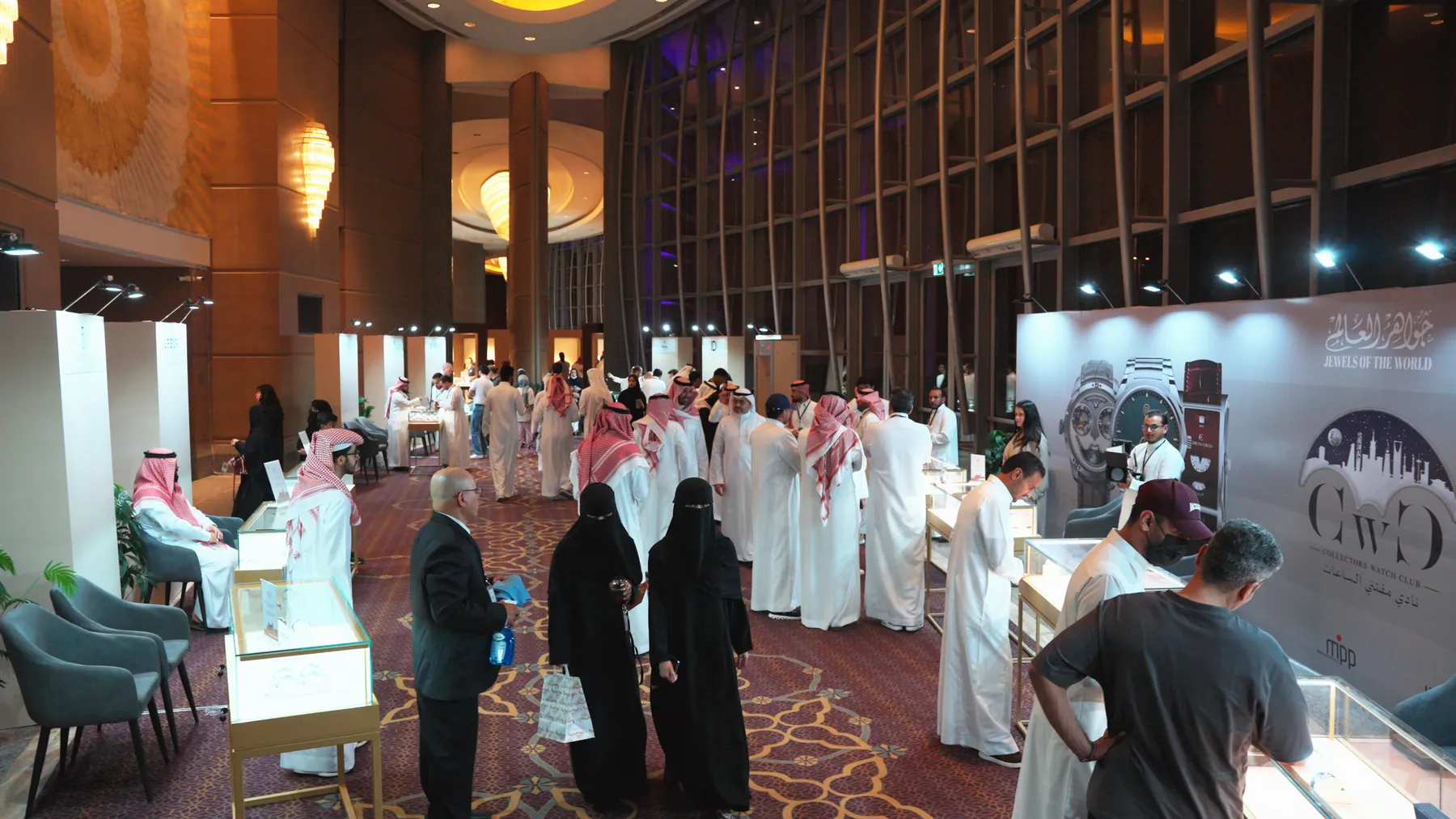
This dynamic had already gained traction prior to the salon, with the club having finalized 14 bespoke editions and actively pursuing 34 additional collaborative projects with international maisons. By bringing these relationships into a dedicated forum that unites collectors, watchmakers, and retailers, it became apparent that the domestic market is formalizing channels to influence aesthetics, color palettes, narrative identity, and production numbers—even as mechanical engineering and manufacturing naturally remain the domain of the maison.
Within this segment, the outsized influence of a tight-knit collector community is self-evident: an independent brand producing 20, 30, or 50 pieces of a reference does not require mass-market scale to pay close attention; it needs a discerning cohort with deep product literacy and continuous engagement with the craft. Independents Were Far from Sidelined Guests
Timeology Nights opened with an announced lineup of over 35 brands, master watchmakers, and specialized dealers, including names such as A. Lange & Söhne, Armin Strom, Biver, Czapek, De Bethune, Konstantin Chaykin, Lederer, Roger Dubuis, and Speake-Marin. Factoring in the brands represented through the Saudi-specific releases, subsequent media coverage pointed to nearly 50 horological entities active across the venue.
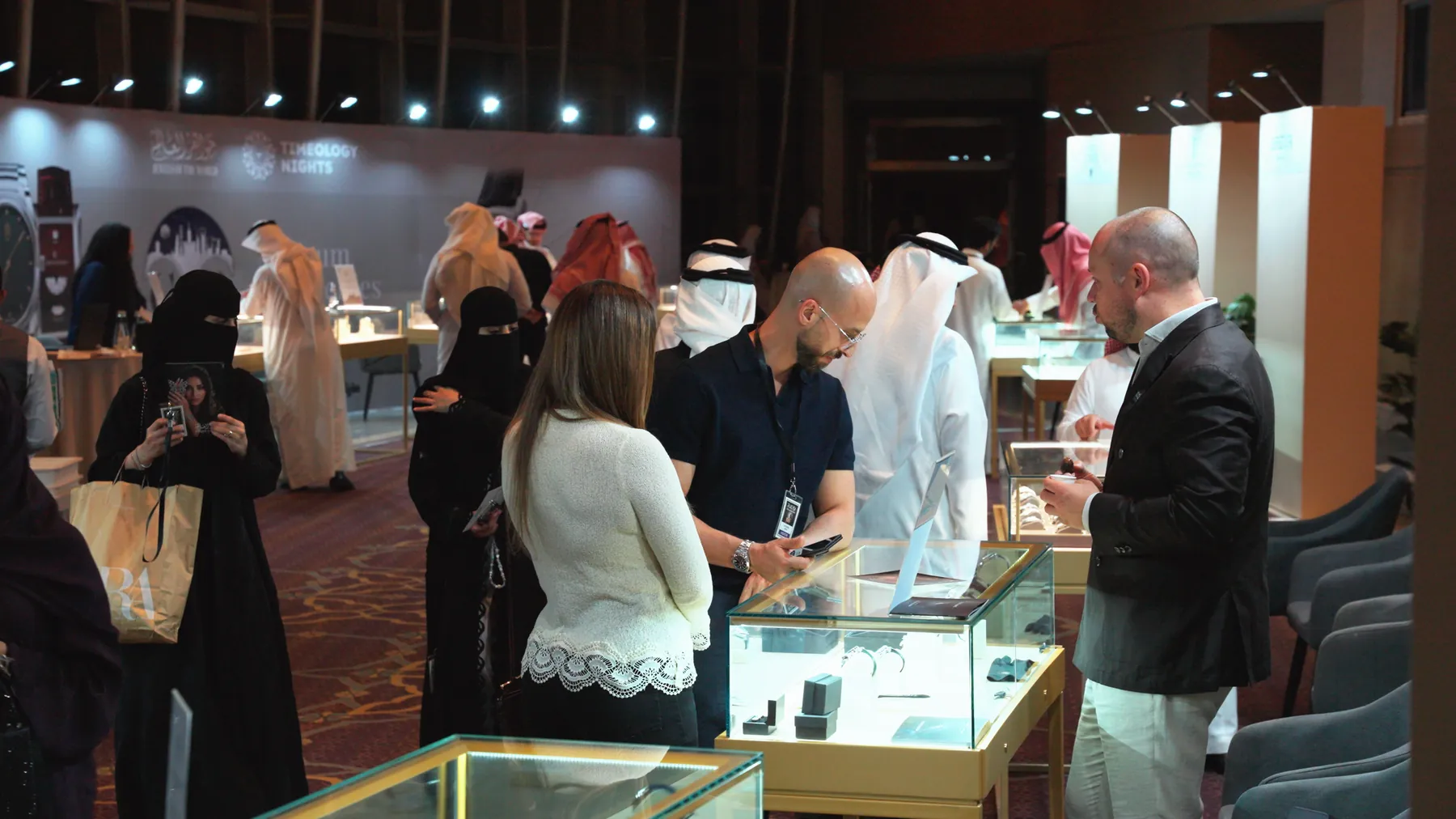
The discrepancy between the two numbers is telling: the first reflects the confirmed primary exhibitor list, while the larger figure captures the wider ecosystem engaged via bespoke releases and collaborative projects. In both instances, the presence of independent watchmakers was prominent enough to define the event's core identity rather than being relegated to a secondary lounge.
This holds tailored importance for the Saudi market. Because many independent watchmakers do not operate global boutique networks, discovering their pieces typically requires traveling to Geneva, attending specialized fairs, or arranging private consultations. Timeology Nights assembled an extensive roster of these creators directly in Riyadh. Designed as a Comprehensive Platform, Not a Showroom Floor
From its inception, the salon structured its visitor journey across distinct experiential tiers. The “Indie Salon” was dedicated to independent watchmakers and complementary crafts; the “Grand Salon” brought together high horology houses and specialized collector projects; and “The Majlis” hosted panel sessions and open discourse within the Timeology Horology Forum. The programming was further supported by live watchmaking demonstrations, practical masterclasses, and technical workshops led by Roger Dubuis.
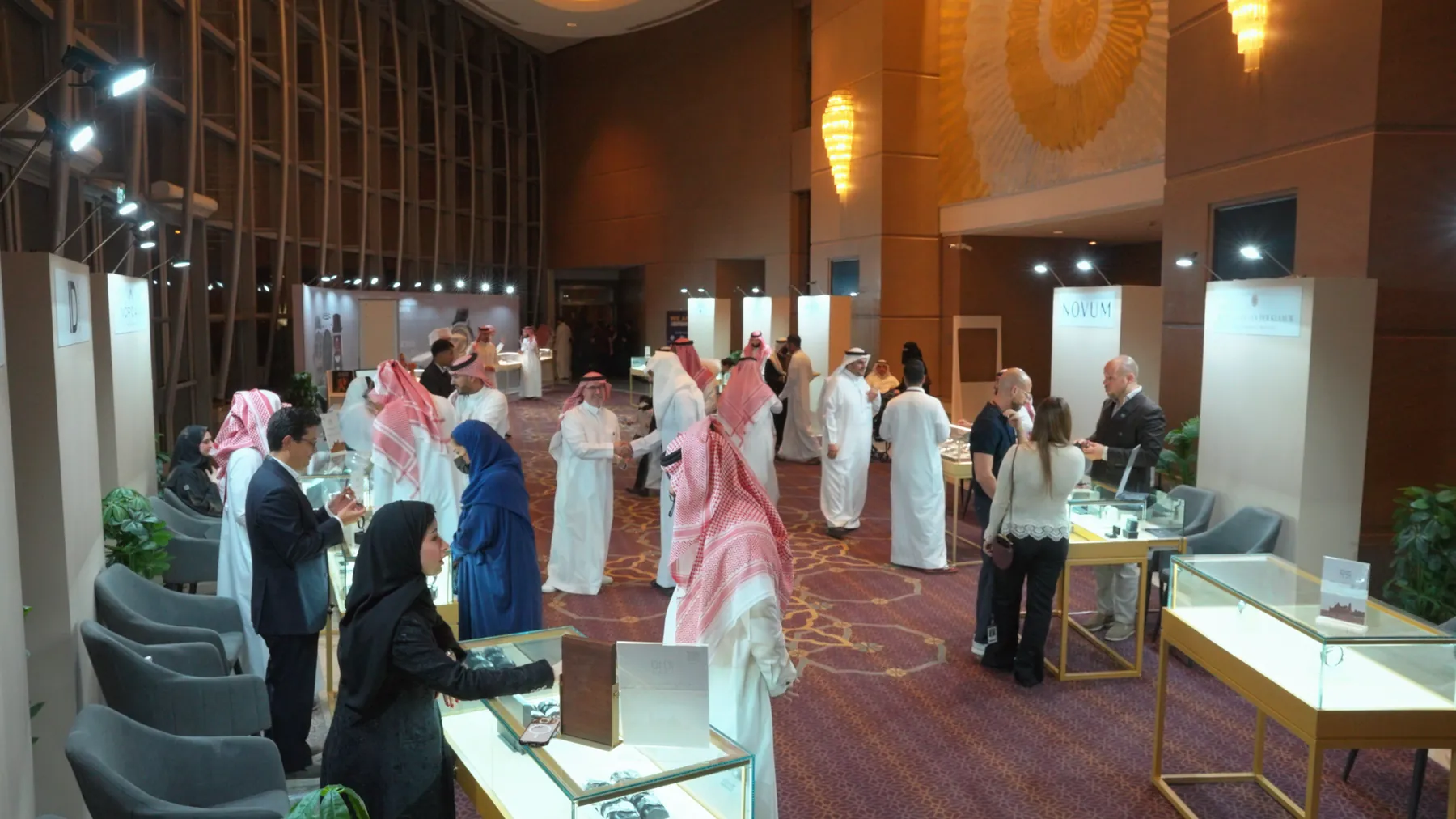
While such elements might seem secondary compared to the headline news of 24 new releases, they represent the foundational value of the gathering. Digital media can reveal a newly launched watch to the world instantaneously, allowing anyone to assess specifications and pricing within seconds. What the digital space cannot recreate is placing a collector across the bench from the master watchmaker, providing tactile access to an independent piece absent from domestic storefronts, or discussing the reasoning behind an unconventional caliber layout or material choice.
This mirrors how major watch exhibitions globally have shifted from promotional showcases to relational ecosystems centered on community dialogue. In Riyadh, the debut edition embraced this philosophy from the start. What Remains Too Early to Conclude?
The operational success of an inaugural edition in assembling this caliber of brands and unveiling 24 special editions is insufficient grounds to declare Riyadh an overnight global capital of watchmaking. Moreover, with hard data on visitor footfall, sales volume, and overall commercial yield still unreleased, any definitive commercial assessment remains premature.
Furthermore, the long-term resonance of these Saudi editions will require time to evaluate. Scarcity on its own does not ensure enduring interest from collectors, and an edition capped at 10 or 20 units does not automatically confer historical or horological significance. Certain editions will continue to be discussed for their craftsmanship and conceptual clarity, while others may remain anchored strictly to the temporary excitement of the event itself.
What can be stated after five days, however, is that the dynamic established at Timeology Nights contrasts sharply with the passive model of an import market waiting for global announcements to arrive in local showcases. Here, domestic entities collaborated upstream with international maisons before pieces hit production, an informed collector community helped steer product directions, and independent watchmakers accessed an engaged Saudi audience directly. The Enduring Footprint of the Inaugural Edition
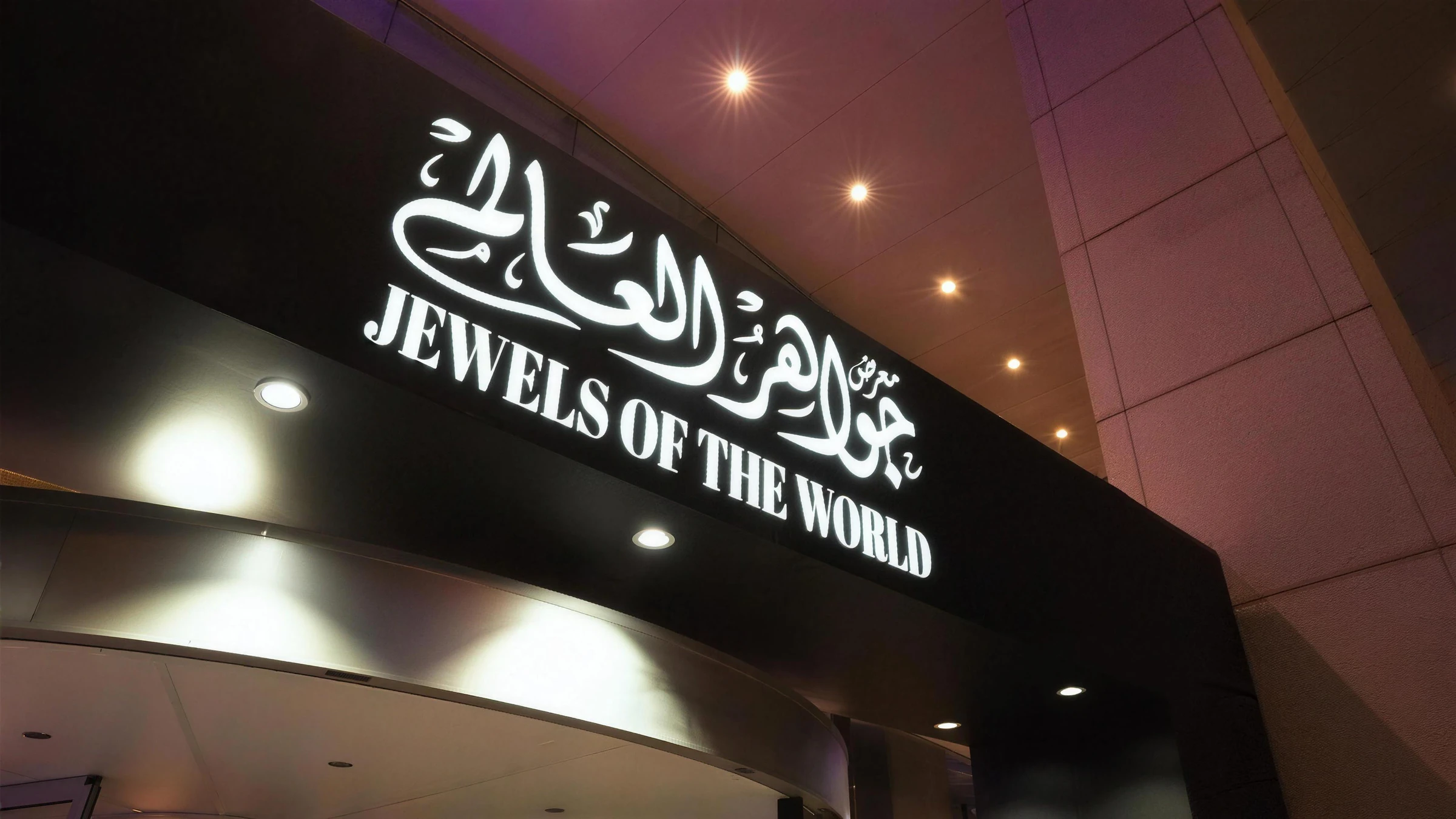
The core takeaway of Timeology Nights is neither the figure of 24 editions nor the total count of visiting manufactures. Its true value lies in demonstrating an operational model wherein the Saudi market participates in the creative conversation that precedes the watch, rather than merely acting as the customer who purchases it at the finish line.
This engagement surfaced through regional stones embedded into dials, the historic patterns of Sadu, the silhouettes of the Makkah Clock Tower, and the architectural cues of AlUla—just as it surfaced in understated references free of overt regional iconography, born purely of technical and aesthetic exchanges between local collectors and the watchmaker.
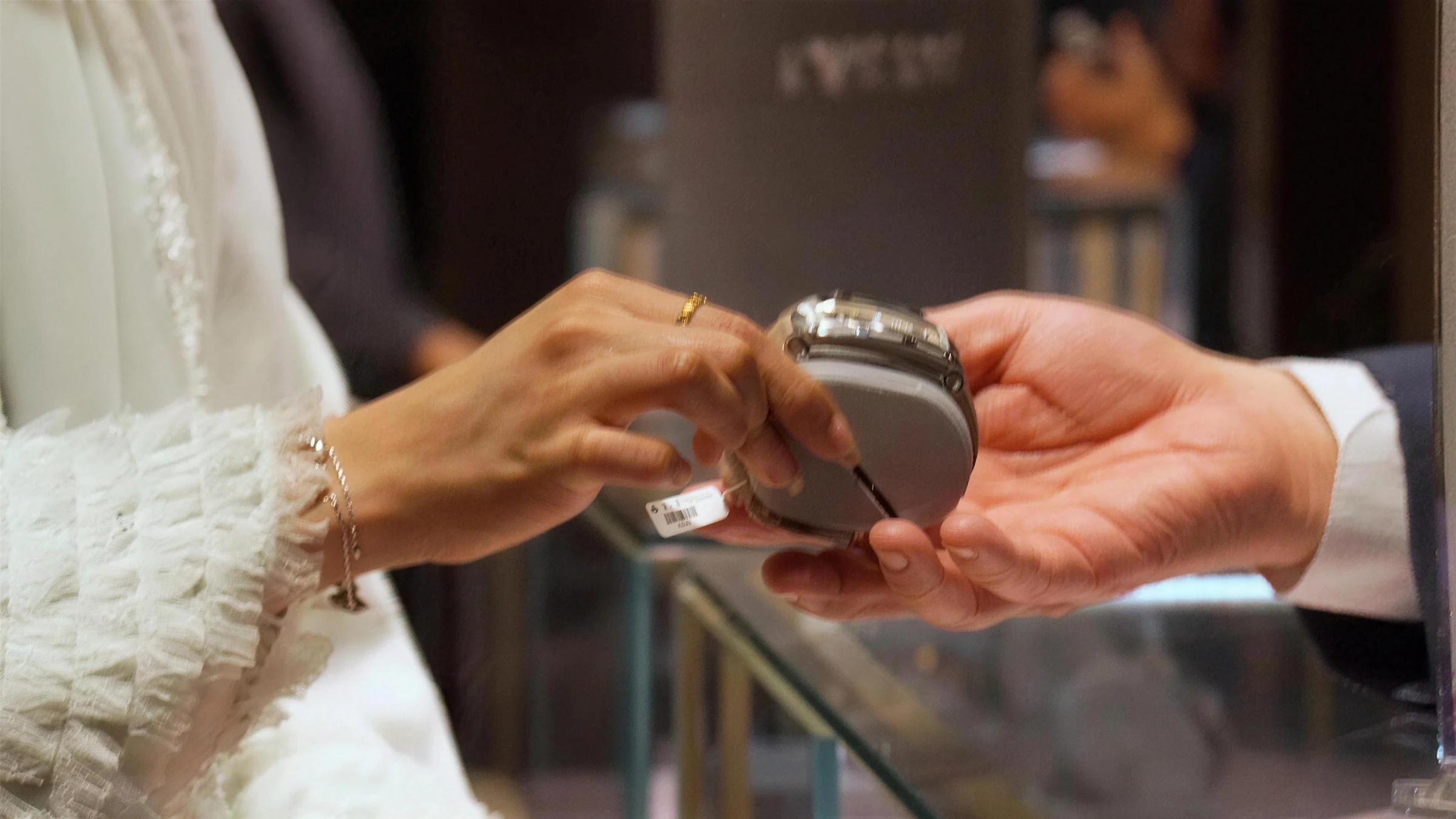
This is the strategic evolution that outlasts the closing of the salon: a shift in the Saudi horological landscape away from asking “What will brands bring to us?” toward a far more consequential question: “What can we build together?”
Because this was only the first edition, the real assessment lies in what follows: whether the relationships cultivated over those five days develop into continuous collaborations and future projects, whether the same independent maisons return next year, and whether Timeology Nights becomes a recognized calendar fixture where the global industry anticipates Saudi-inspired ingenuity rather than simply presenting inventory developed elsewhere. Until those answers emerge, the inaugural salon has clearly shown that the dynamic has begun moving in an entirely new direction.
Comments
No comments yet.